 Skip to content

- What Makes Jericoacoara Different?
- The Best Beaches in Jericoacoara
- The Lagoons That Made Jeri Famous
- Things to Do in Jericoacoara Beyond the Beach
- Best Time to Visit Jericoacoara
- Where to Stay in Jericoacoara
- How Many Days Should You Spend in Jericoacoara?
- Jericoacoara and the Rota das Emoções
- Planning Your Trip to Jericoacoara
- Frequently Asked Questions About Jericoacoara
Here is what this guide covers: what makes Jericoacoara unique, the best beaches in Jericoacoara, when to visit, where to stay, how many days to spend, and the experiences that reveal why this former fishing village has become one of Brazil’s most sought-after coastal destinations.
Some destinations are defined by landmarks. Others are defined by atmosphere.
Jericoacoara belongs firmly to the second category. Located on Brazil’s northeastern coast, within a protected national park, this former fishing village is surrounded by dunes, lagoons, beaches, and constant ocean winds. Cars are left outside the village, streets remain covered in sand, and evenings unfold beneath a remarkably clear night sky.
For many travelers, Jericoacoara begins as a stop along the Rota das Emoções. Yet it is often the place they wish they had allowed more time for. Between the beaches, the lagoons, and the slower rhythm of daily life, Jeri has a way of encouraging visitors to stay a little longer than planned.
In 1994, the “Washington Post Magazine” named Jericoacoara as one of the 10 most beautiful beaches in the world.
- Jericoacoara was named one of the world’s most beautiful beaches by The Washington Post in 1994.
- The surrounding national park protects dunes, beaches, mangroves, and coastal ecosystems.
- The village continues to preserve its distinctive atmosphere through restrictions on urban development.
- Consistent winds have made the region one of South America’s leading destinations for kitesurfing and windsurfing.
- Unlike many beach resorts that focus on entertainment or nightlife, Jericoacoara’s appeal comes from its setting and pace. Days tend to revolve around the landscape rather than schedules.
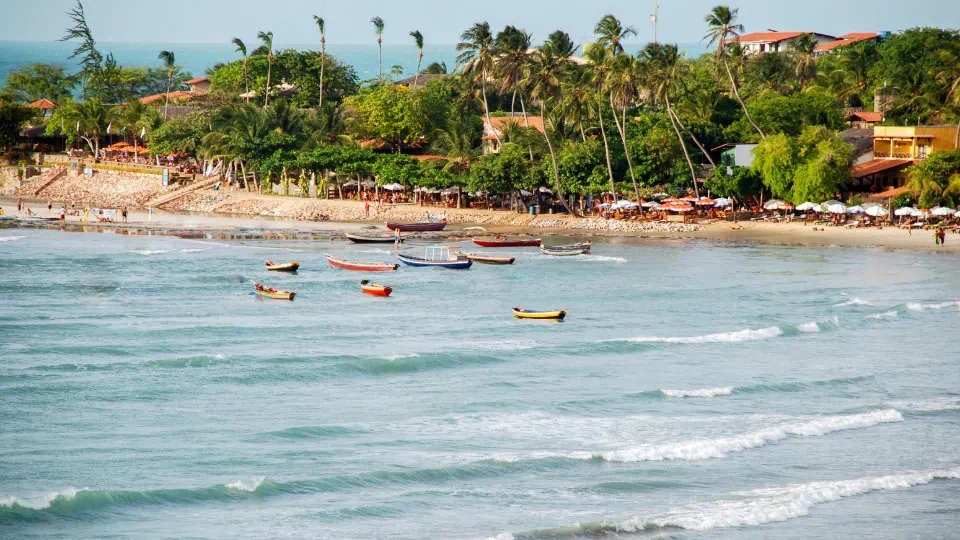
- Calm waters during much of the year.
- Easy access from hotels and restaurants.
- Views of the Sunset Dune.
- A lively but relaxed atmosphere.
For first-time visitors, it provides an ideal introduction to the destination.
- A quieter atmosphere.
- Excellent walking conditions.
- Natural scenery with fewer structures.
- Popular surfing conditions during certain seasons.
The short walk from the village makes it an easy addition to any itinerary.
- Strong and reliable winds.
- Wide stretches of sand.
- Luxury accommodations nearby.
- Excellent conditions for water sports.
For active travelers, Preá often becomes one of the highlights of the region.
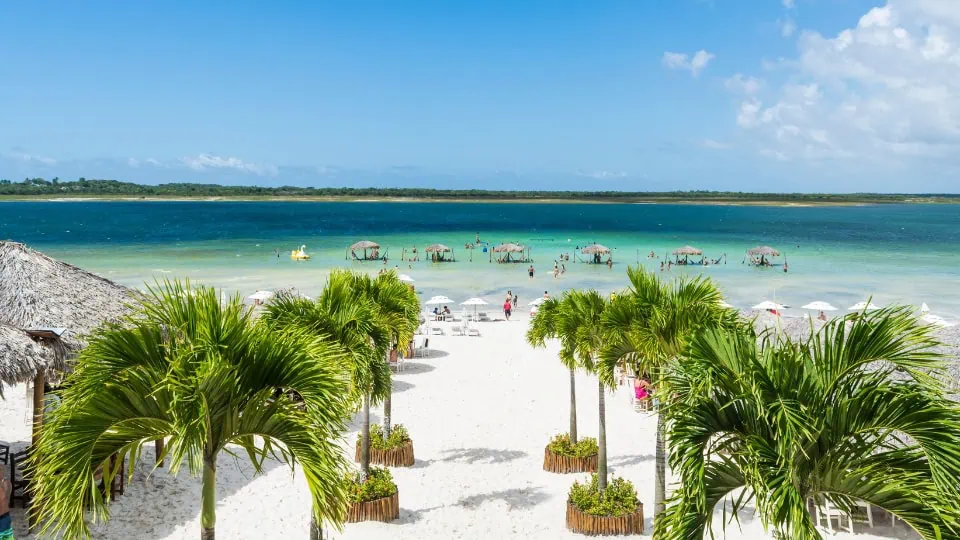
- Clear freshwater.
- Floating hammocks suspended over the water.
- Beach clubs and relaxed dining options.
- Excellent swimming conditions.
Its size means visitors can often find quieter areas away from the busiest sections.
- Calmer surroundings.
- Shallow water suitable for swimming.
- A less developed setting.
- Easy access during lagoon excursions.
Together, the two lagoons form an essential part of the Jericoacoara experience.
| Period | Conditions |
|---|---|
| February – June | Greener landscapes, fewer visitors, calmer winds |
| July – September | Excellent weather and strong winds |
| October – November | Peak kitesurfing season |
| December – January | Warm weather and festive atmosphere |
- Travelers focused on water sports often prefer July through November.
- Those seeking a quieter atmosphere may prefer March through June.
- The famous sunset ritual remains a highlight regardless of season.
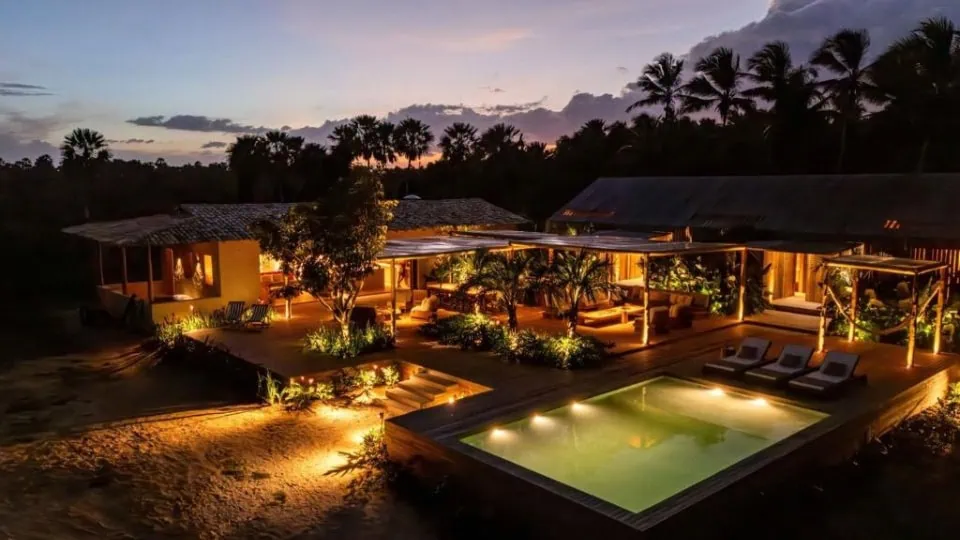
| Length of Stay | State |
|---|---|
| 2 Nights | Main attractions and beaches |
| 3 Nights | Ideal first visit |
| 4-5 Nights | Beaches, lagoons, and a slower pace |
| 6+ Nights | Excellent for kitesurfing or extended relaxation |
For most travelers, three to four nights strikes the right balance.
- Lençóis Maranhenses, known for its freshwater lagoons between vast dunes.
- Delta do Parnaíba, one of the only open-sea river deltas in the Americas.
- Jericoacoara, where beaches, lagoons, and coastal landscapes create a slower rhythm of travel.
Together, these destinations showcase three completely different environments across northeastern Brazil.