 Skip to content

- Where Is Iguazu Falls, and Why Does It Have Two Sides?
- Brazil vs Argentina: Which Side Should You Visit?
- How Many Days Do You Need at Iguazu Falls?
- Best Time to Visit Iguazu Falls
- Where to Stay: Inside the Park vs in Town
- Beyond the Falls: What Else to Do
- Planning Your Iguazu Falls Trip
- Frequently Asked Questions About Iguazu Falls
This Iguazu Falls travel guide explains where Iguazu Falls is located, how the Brazilian and Argentine sides work together, how many days you need, the best time to visit, where to stay, what to do beyond the waterfalls, and how to combine Iguazu with the rest of Brazil.
Few places manage to exceed expectations quite like Iguazu Falls. Photographs capture the scale of the waterfalls, but they cannot prepare you for the constant sound of rushing water, the clouds of mist rising from the canyon, or the rainforest that surrounds every viewpoint.
For many travelers, visiting Iguazu Falls becomes one of the defining moments of a trip to South America. Yet planning the experience can feel surprisingly complicated. Two countries share the waterfalls. There are multiple airports, different hotels, changing visa rules, and countless articles insisting you must choose one side over the other.
As a Brazil-based luxury travel concierge, our perspective is different. Rather than asking which country is better, we focus on how to experience Iguazu Falls efficiently, comfortably, and without wasting valuable vacation time. That often means treating both national parks as part of a single destination rather than two separate trips.
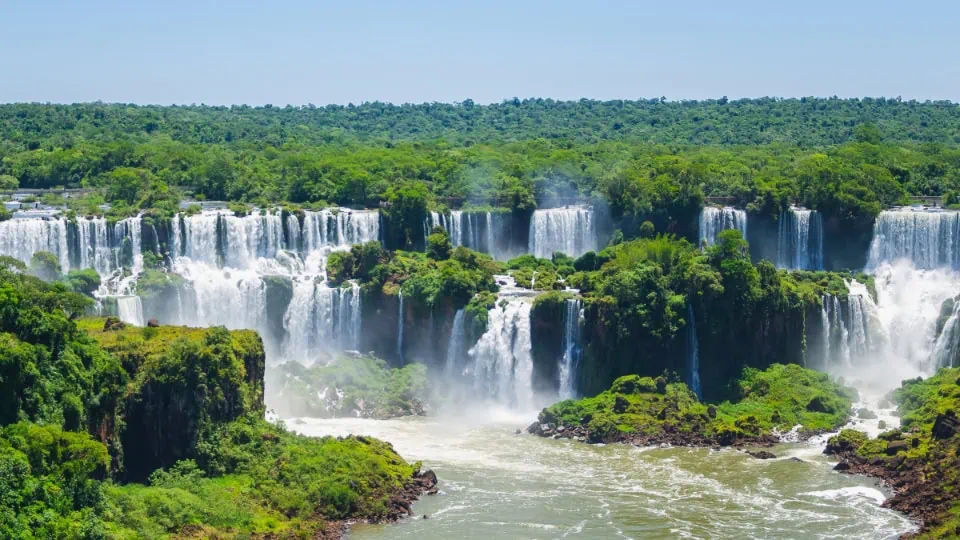
Iguazú National Park and its sister World Heritage property Iguaçu National Park in Brazil conserve one of the largest and most spectacular waterfalls in the world.
- Around 275 individual waterfalls.
- Nearly 2.7 km across.
- Devil’s Throat reaches approximately 80 metres high.
- Shared between Brazil and Argentina.
- Protected by two UNESCO World Heritage Sites.
- Located within the Atlantic Forest biome.
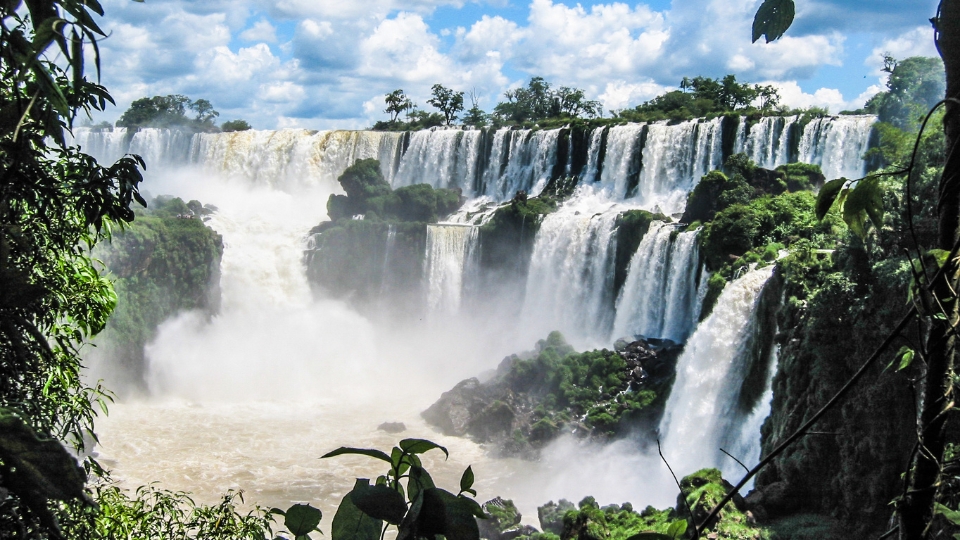
Unlike destinations where visitors simply arrive, take a photograph, and leave, Iguazu rewards those who understand how the landscape is organized. Knowing where each trail, viewpoint, and hotel fits into the wider picture makes a significant difference to the overall experience.
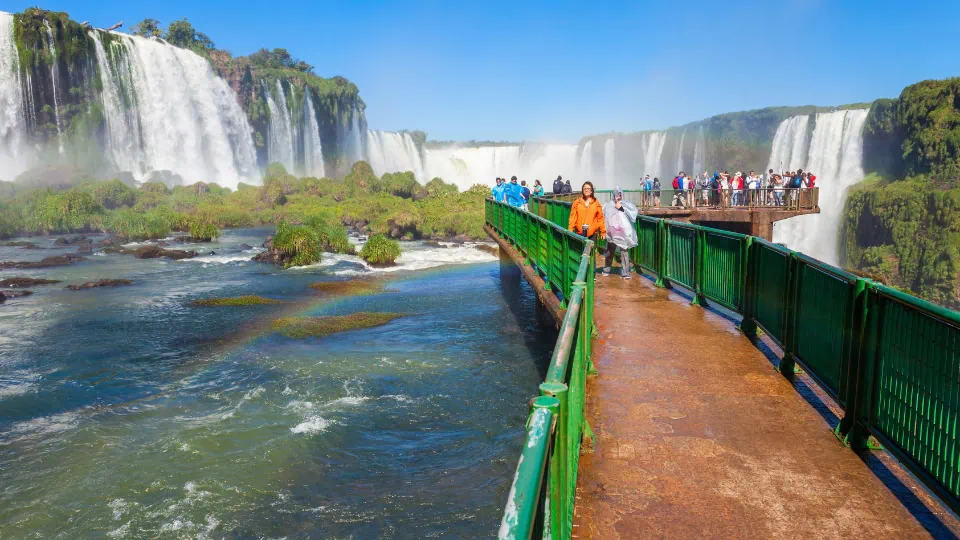
- Choose Brazil for panoramic views, easier logistics, and a more efficient visit.
- Choose Argentina for longer trails, closer contact with the falls, and a full-day park experience.
- Choose both if you have two nights, a private guide, and want the most complete understanding of Iguazu Falls.
In our experience, travelers who only visit one side often leave feeling they missed part of the destination. Fortunately, seeing both parks is far easier than many online guides suggest. Private transportation, early departures, and proper timing allow visitors to experience both countries efficiently without feeling rushed.
- Choose one side rather than rushing through both.
- Prioritize the Brazilian side if your time is extremely limited.
- Arrange private transportation to maximize sightseeing time.
- Avoid carrying luggage through the parks whenever possible.
Although many online itineraries promise both sides in one day, they often underestimate border procedures, walking distances, and the time visitors naturally spend at the viewpoints. If your vacation is measured in precious days rather than weeks, slowing down usually creates a much richer experience.
- Day 1: Arrive at Foz do Iguaçu Airport, transfer privately to your hotel, and visit the Brazilian side in the afternoon.
- Day 2: Explore the Argentine National Park, including Devil’s Throat and the main walking circuits.
- Day 3: Visit Parque das Aves, take a helicopter flight, or enjoy a relaxed breakfast before your onward flight.
The waterfalls themselves deserve your attention, but they are only one part of what makes the region memorable.
- December to February: Warmer weather, lush scenery, higher water levels, and more holiday visitors.
- March to May: Mild temperatures, comfortable walking conditions, and generally fewer crowds.
- June to August: Cooler weather, lower humidity, and excellent visibility for photography.
- September to November: Pleasant temperatures, vibrant landscapes, and active wildlife.
River levels vary throughout the year based on rainfall, so every season offers a unique perspective of Iguazu Falls.
| Hotel Option | Location | Best For |
|---|---|---|
| Belmond Hotel das Cataratas | Inside Brazil’s Iguaçu National Park | Exclusive park access, iconic luxury, early and late access to the falls |
| Awasi Iguazú | Inside Argentina’s Iguazú National Park | Private villas, tailor-made excursions, and an intimate rainforest retreat |
| LAS Hotel Boutique | Foz do Iguaçu, Brazil | Contemporary boutique luxury, exceptional gastronomy, and convenient access to the national park and airport |

- Visit Parque das Aves: Walk through immersive aviaries and discover one of Brazil’s leading bird conservation centers.
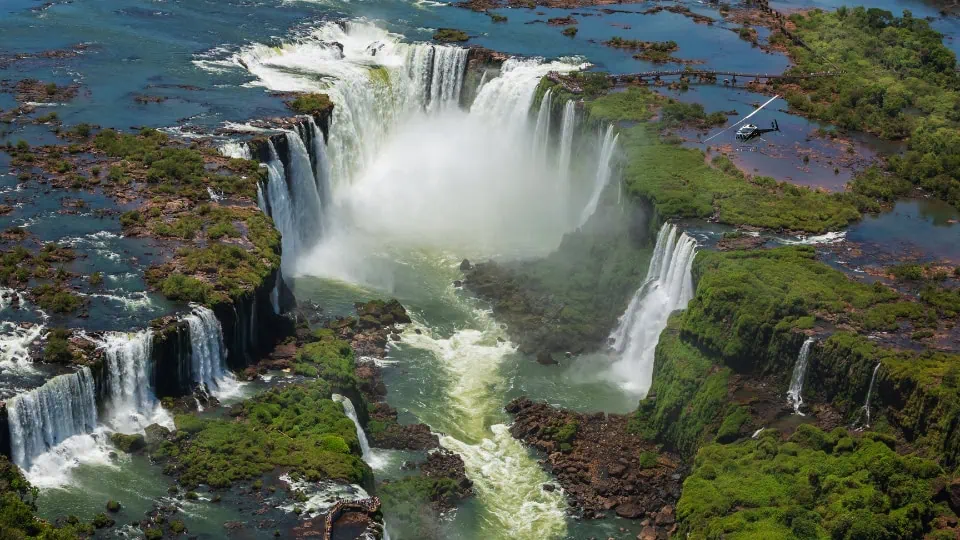
- Take a helicopter flight: Enjoy a spectacular aerial view of the waterfalls and surrounding rainforest from the Brazilian side.
- Experience a boat tour beneath the falls: Get closer to the waterfalls on an exhilarating boat ride that combines breathtaking scenery with an unforgettable dose of adventure.
- Explore nature trails: Discover quieter walking paths, observe native wildlife, and experience the Atlantic Forest beyond the most popular viewpoints.