What To Expect From The Experience
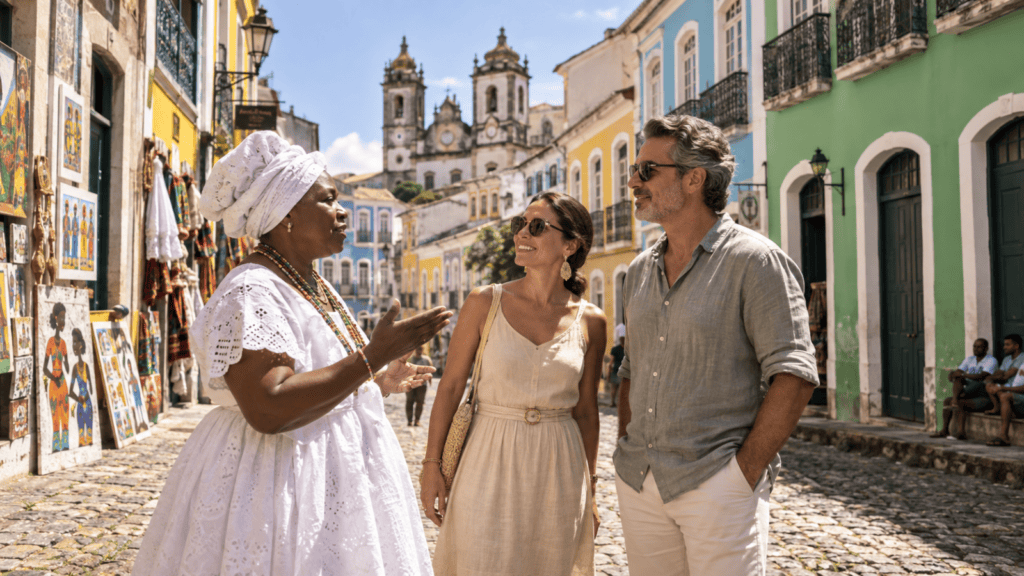
The experience begins in the streets of Salvador, where food is not confined to restaurants, but part of the city’s rhythm.
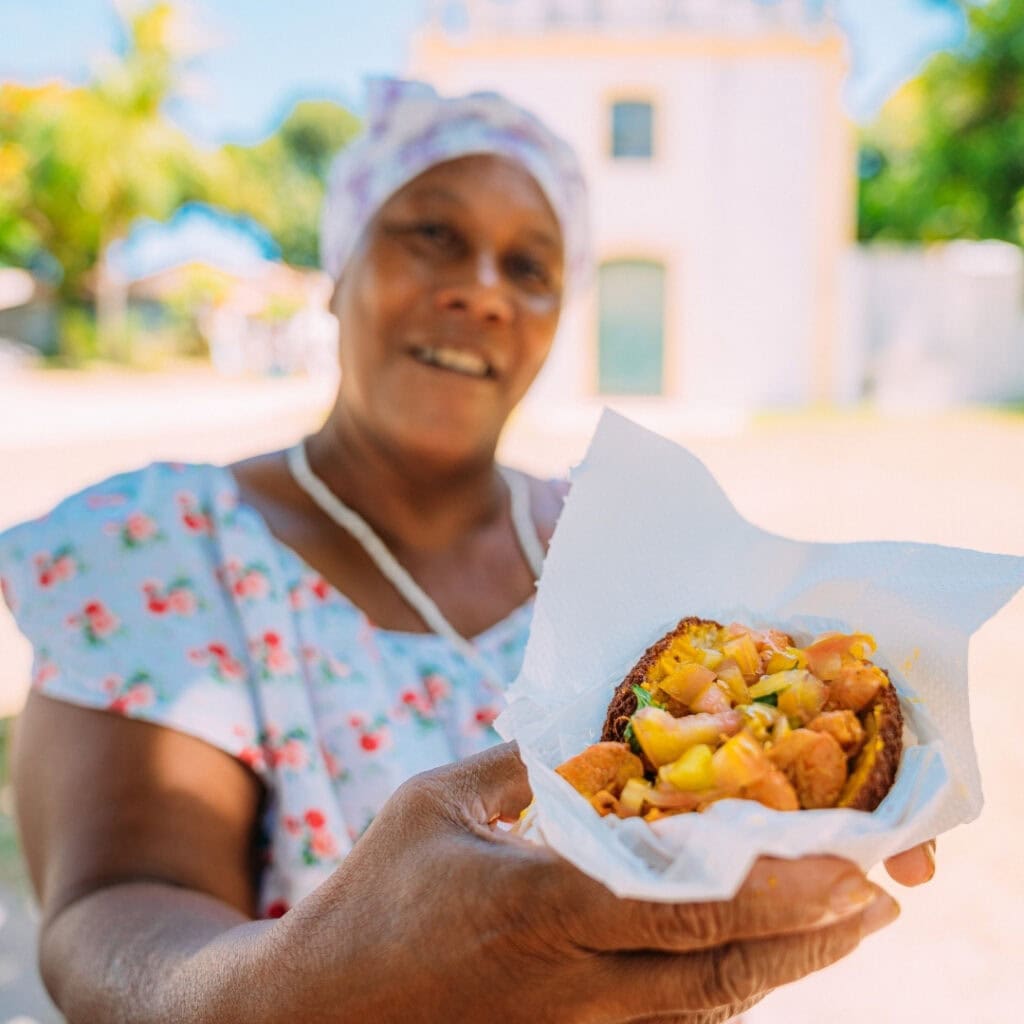
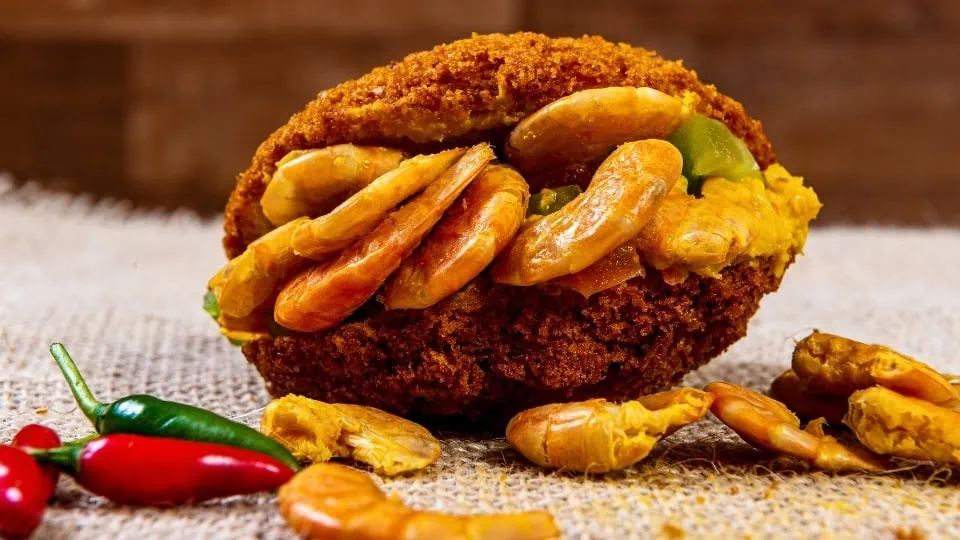
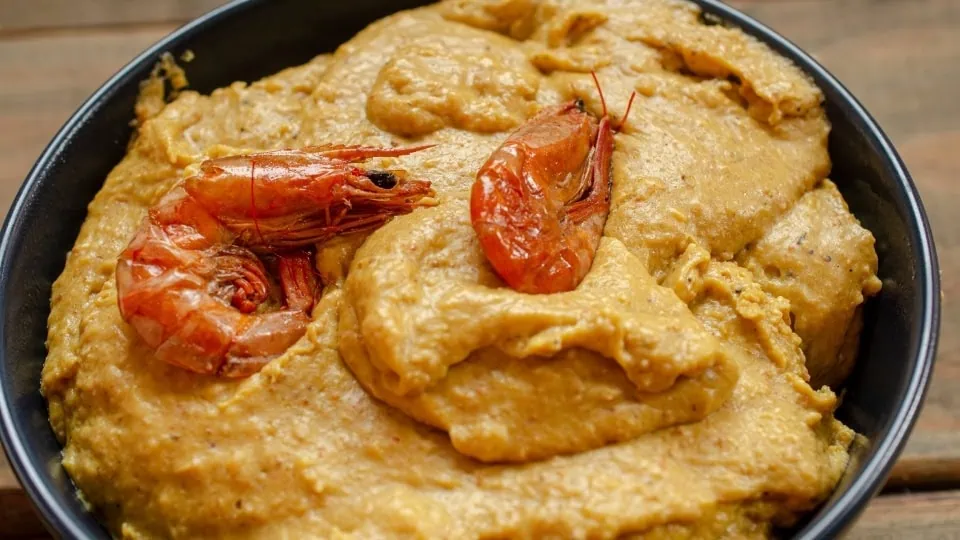
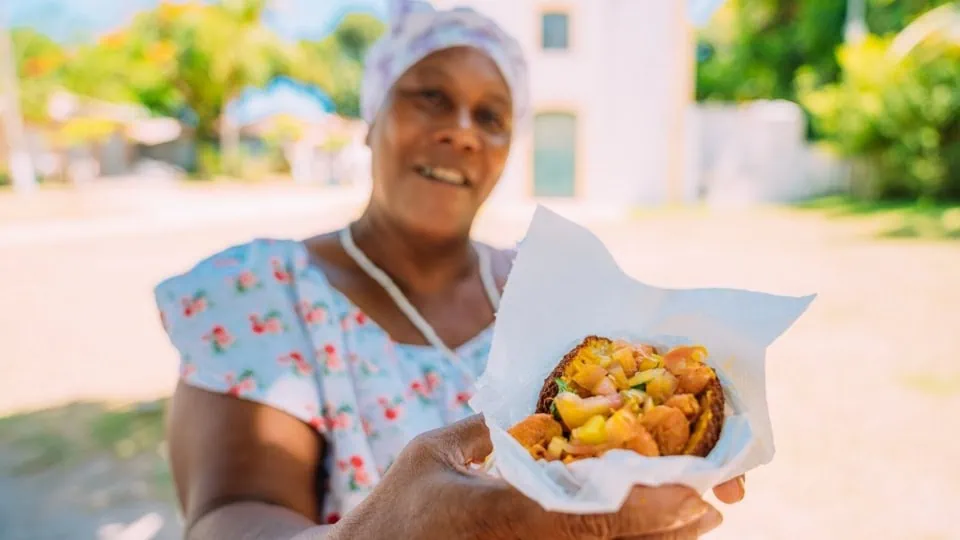
One of the first encounters is often with the iconic acarajé, prepared by traditional baianas. This dish, rooted in West African traditions, is made from black-eyed pea dough fried in palm oil and filled with vatapá, shrimp, and spices, carrying both culinary and spiritual significance.
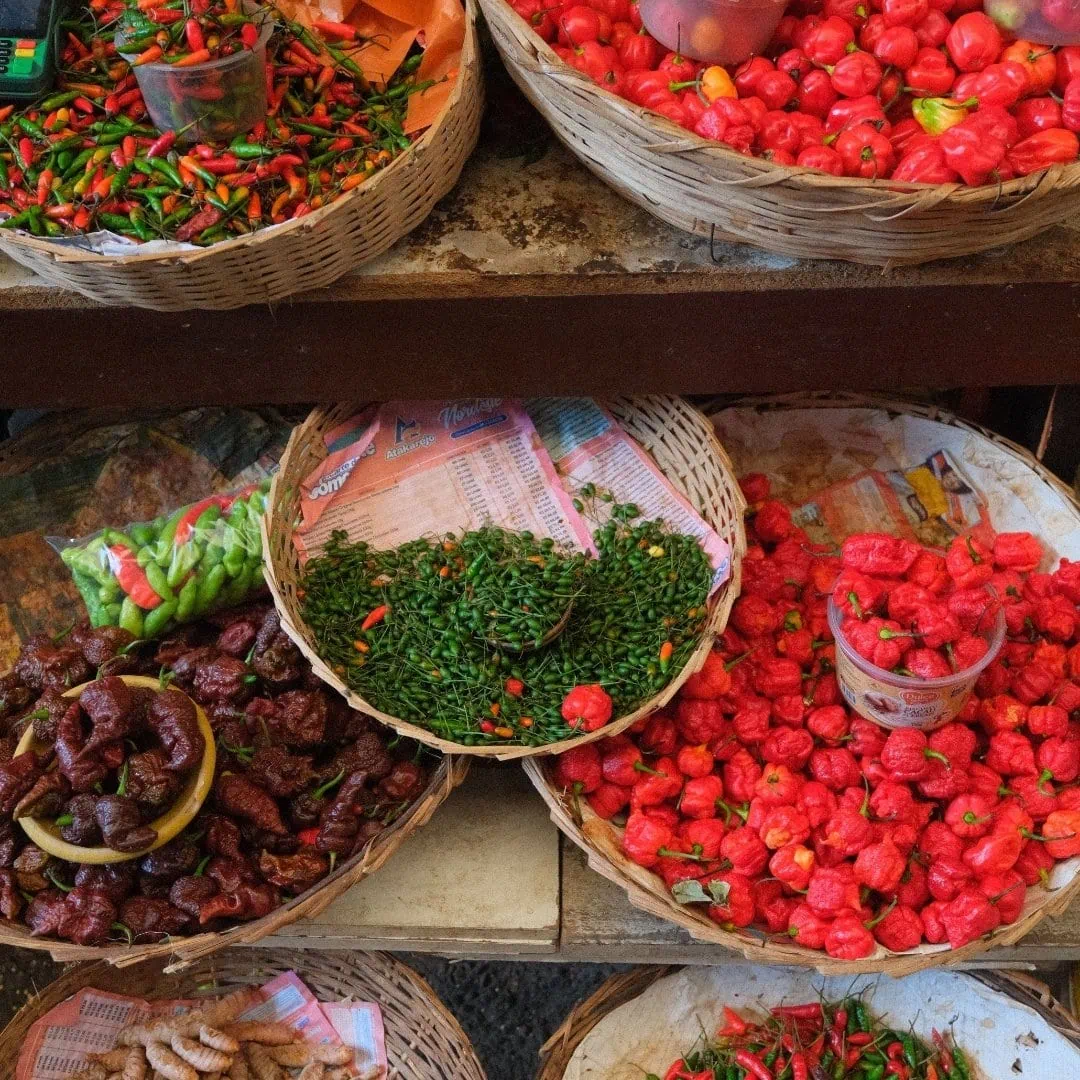
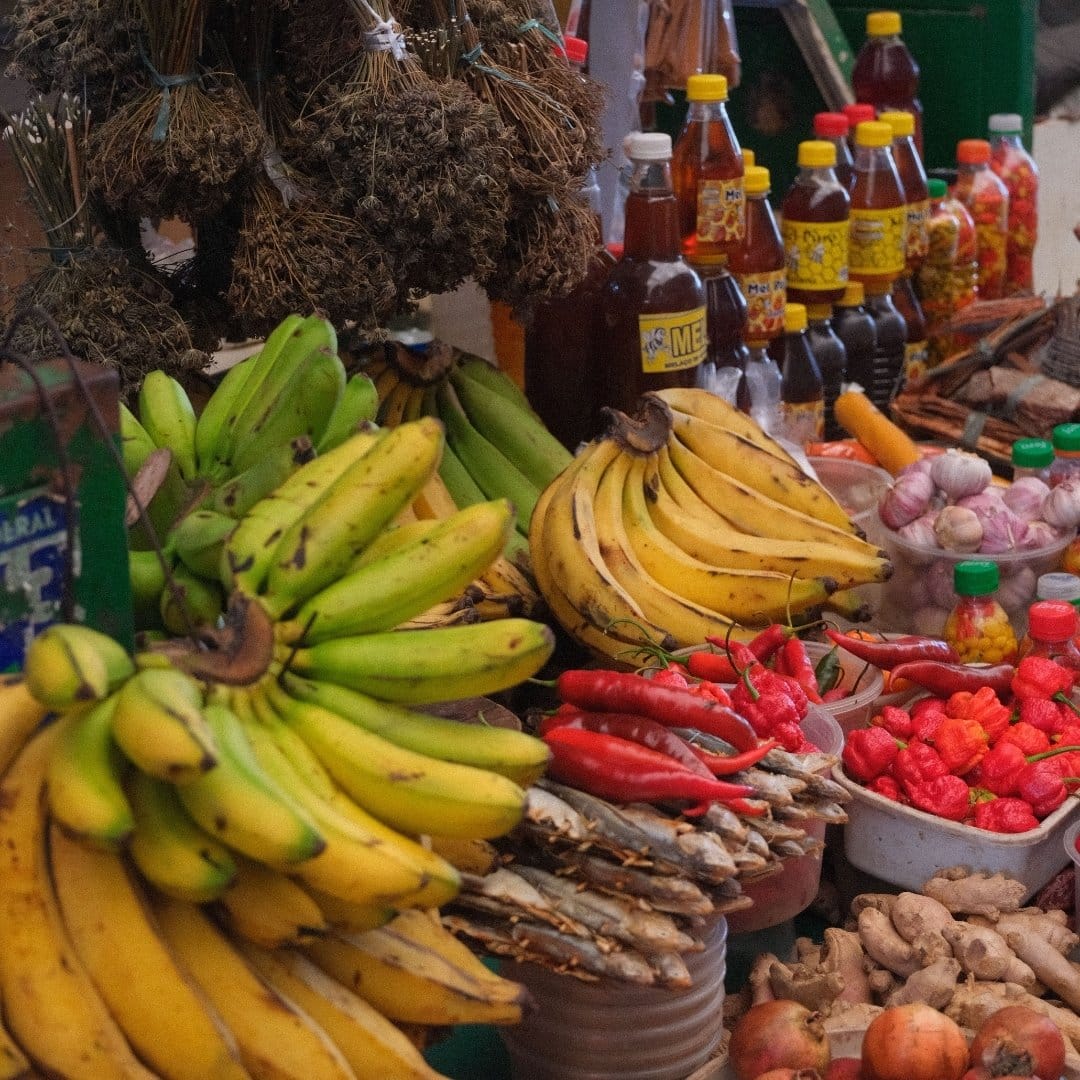
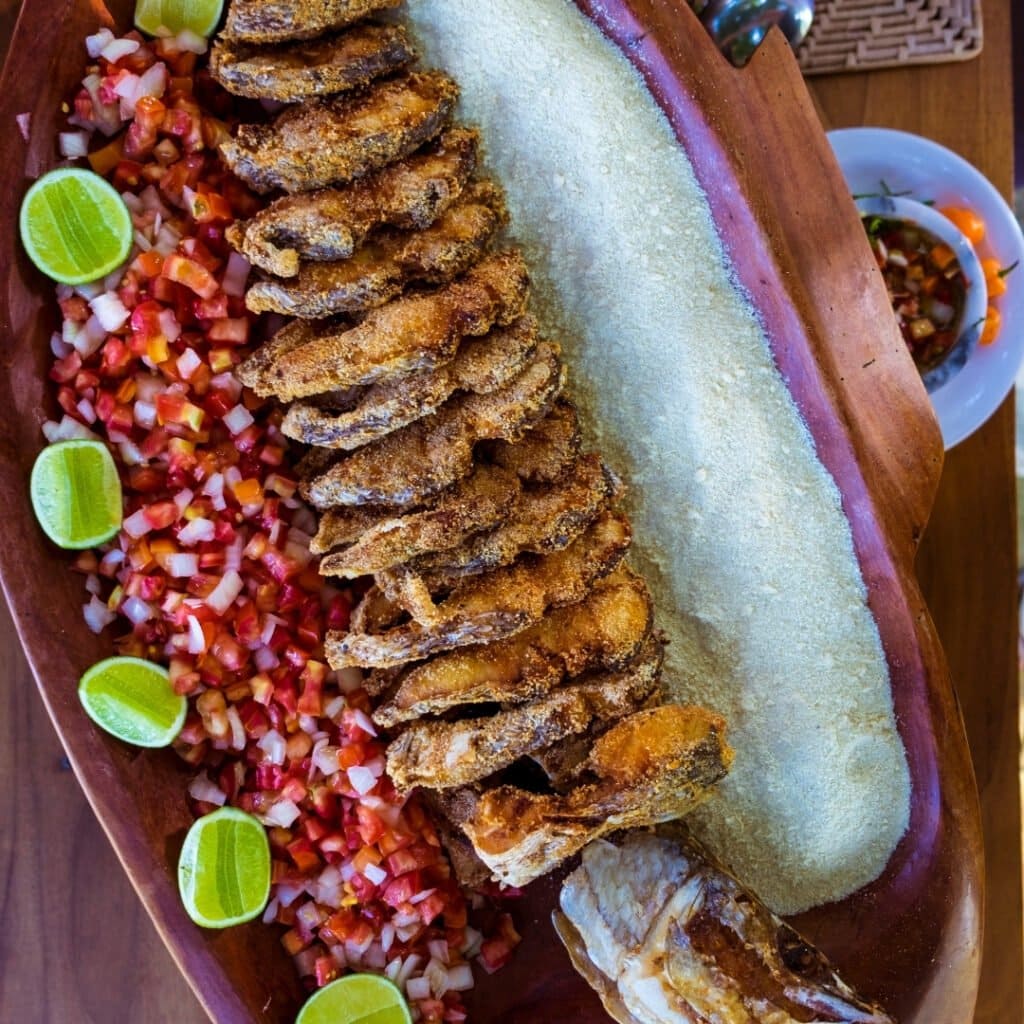
From there, the experience expands into a broader exploration of Bahian cuisine, deeply influenced by African, Portuguese, and Indigenous traditions. Ingredients such as coconut milk, palm oil, peppers, and seafood define the region’s distinctive flavors.
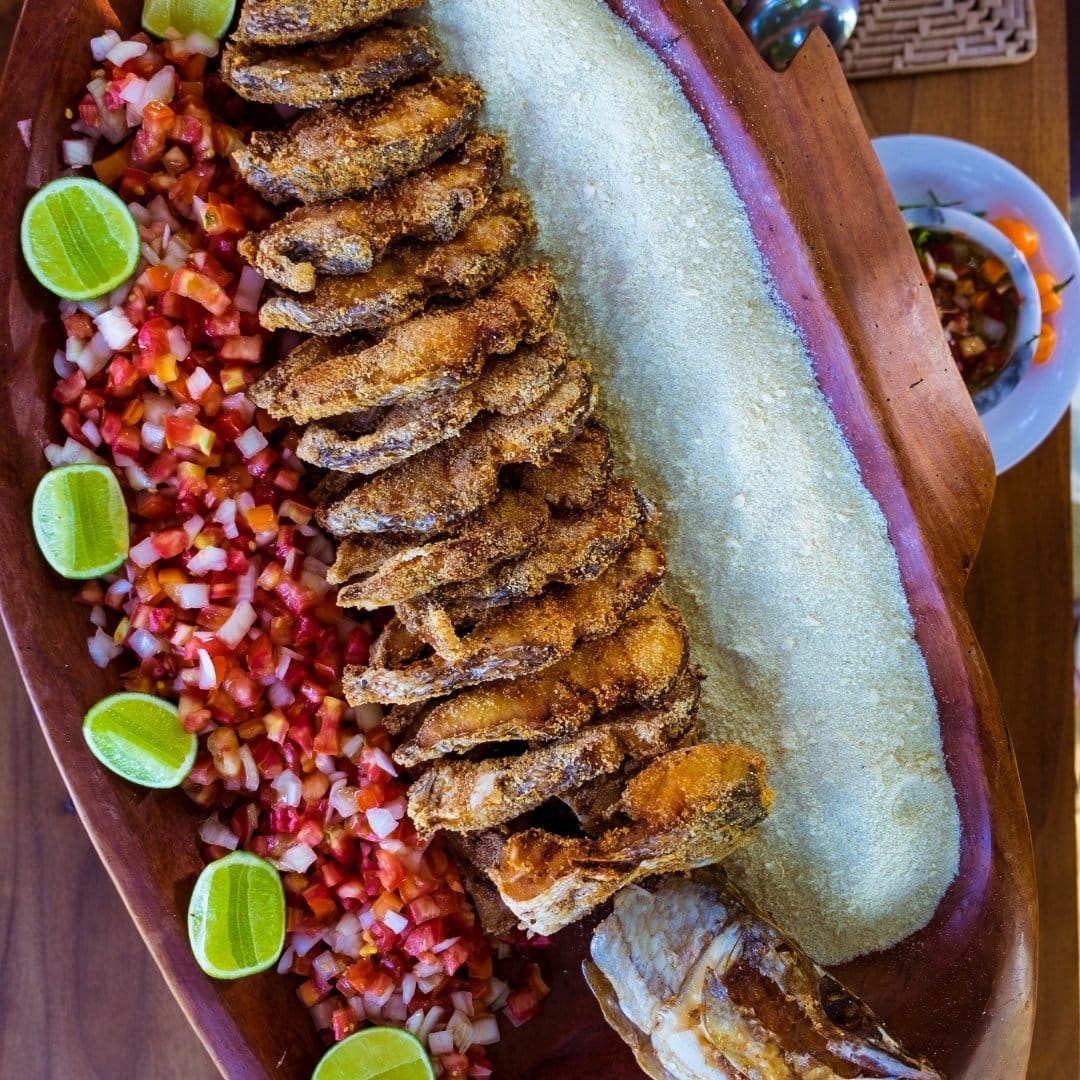
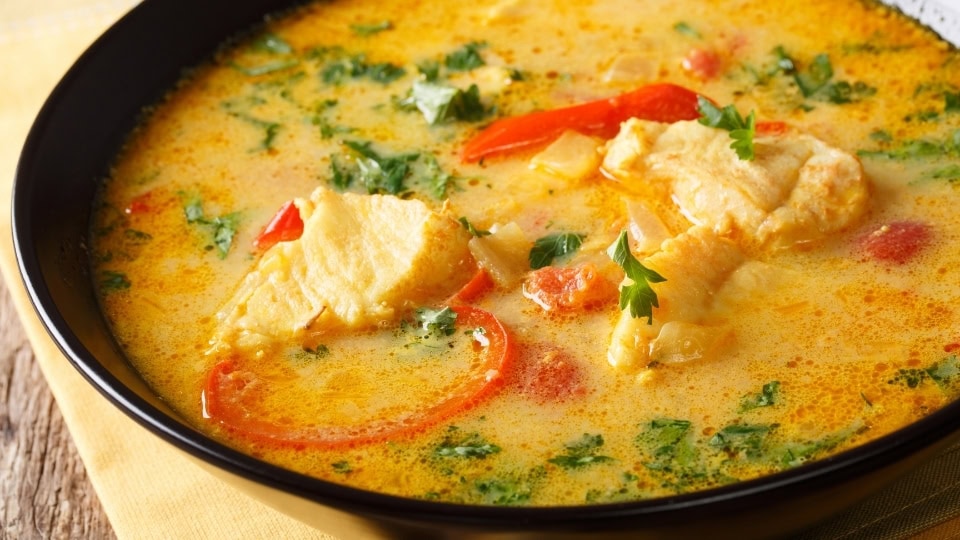
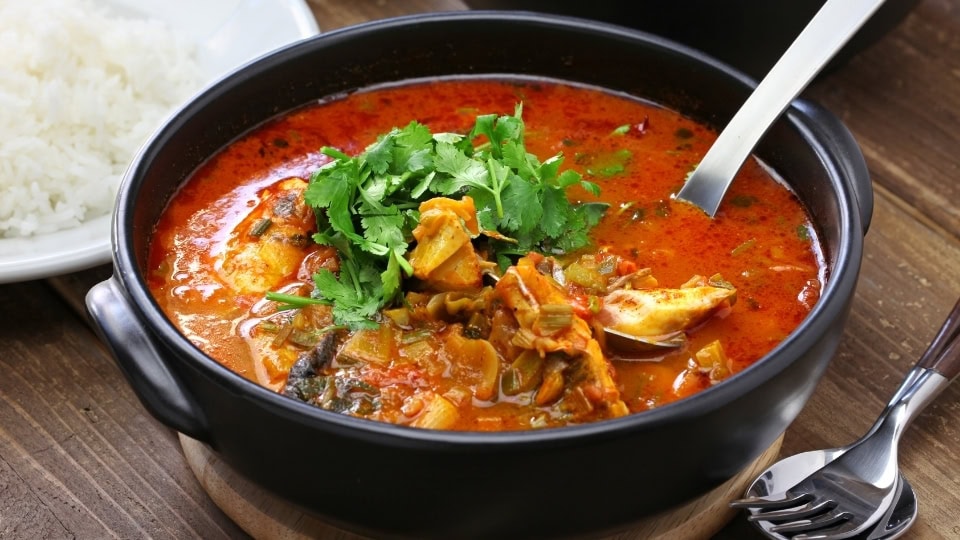
A key moment of the experience is a seated meal focused on signature dishes such as moqueca, a slow-cooked seafood stew prepared in clay pots, combining fish or shrimp with dendê oil, coconut milk, and fresh herbs.
Depending on the format, the experience may also include a hands-on component, such as a private cooking session, where you are guided through the preparation of a traditional dish, offering a deeper understanding of technique and ingredient balance.
Throughout the experience, the emphasis remains on context. Each dish is not only tasted, but explained: its origin, its evolution, and its place within Bahian culture.
The rhythm is fluid. It moves between street-level encounters, curated dining, and moments of pause, allowing the experience to unfold naturally.