 Skip to content

Private Afro-Bahian Heritage Tour
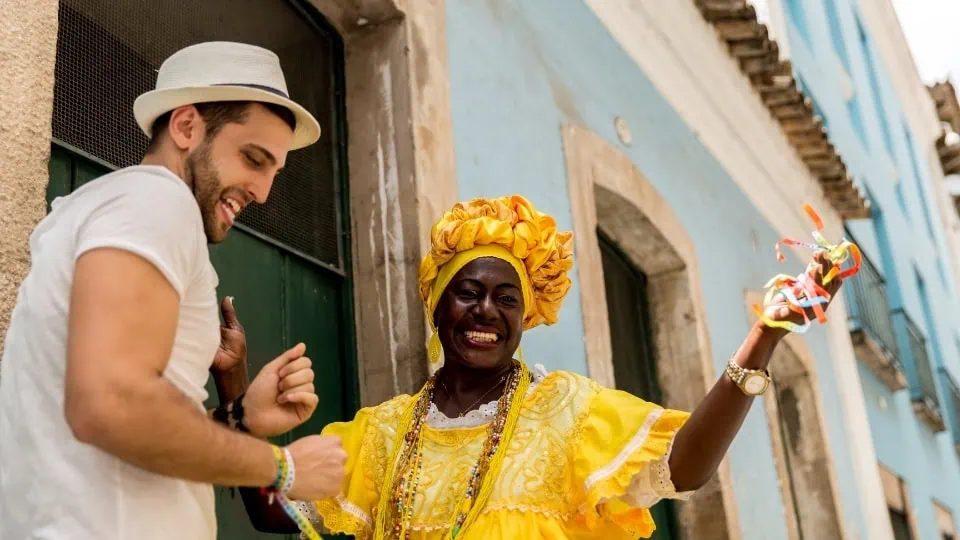
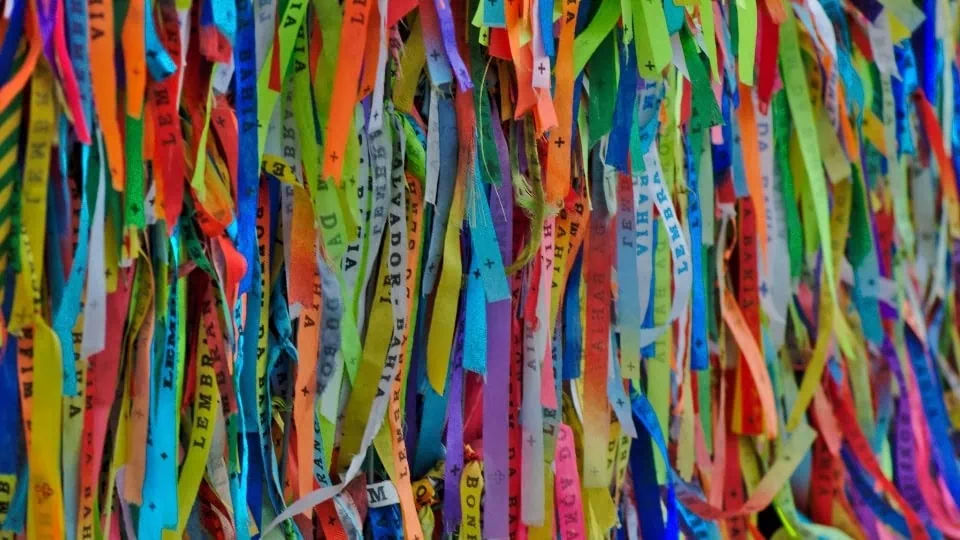
In Salvador, history is not confined to monuments. It is lived, practiced, and expressed daily through rhythm, spirituality, and community, shaping one of the most distinctive cultural identities in the Americas.
Private Afro-Bahian Heritage Tour
Half-day or full-day experience
All Ages
Salvador – BA
What To Expect From The Experience
Salvador was Brazil’s first capital and one of the main entry points of the transatlantic slave trade, which deeply shaped its cultural identity. Today, it is widely recognized as the center of Afro-Brazilian culture.
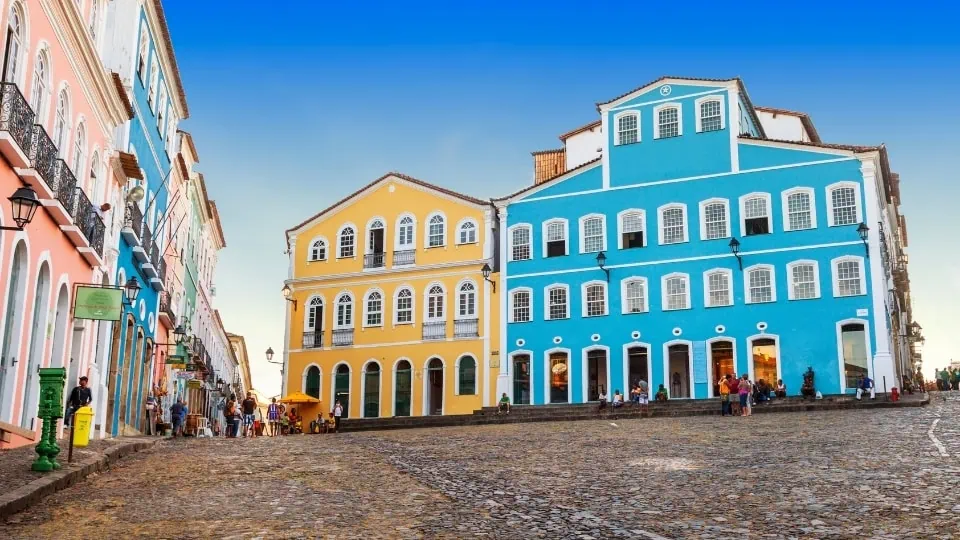
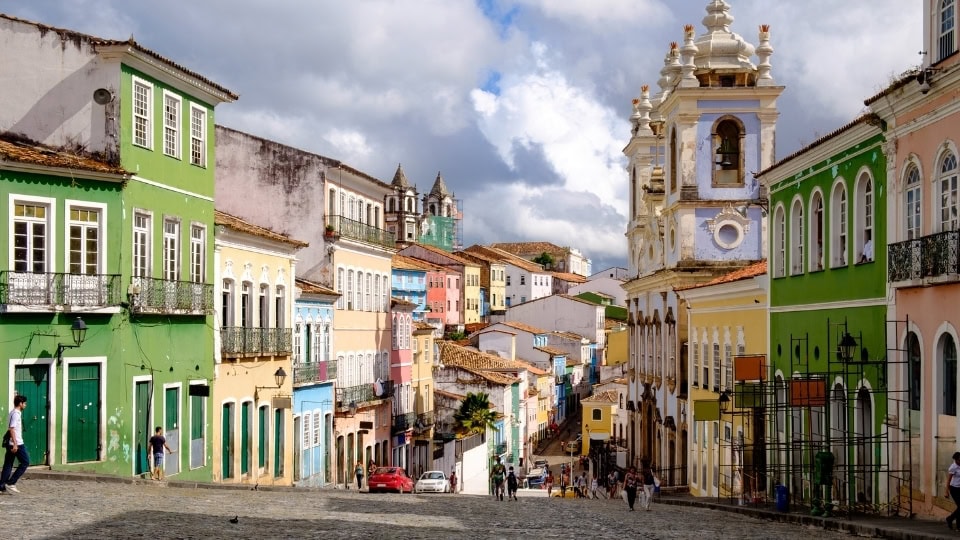
The experience begins in the historic district of Pelourinho, a UNESCO World Heritage site where colonial architecture meets a vibrant expression of Afro-Brazilian life.
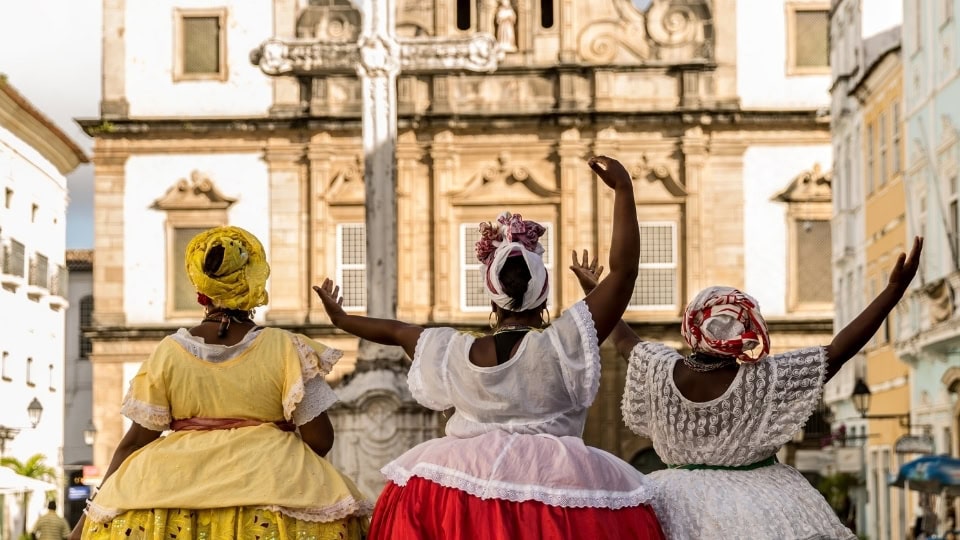
Walking through its streets, the experience unfolds across layers of history. Churches such as Nossa Senhora do Rosário dos Pretos reflect the adaptation of African spirituality within colonial structures, where enslaved Africans blended their beliefs with Catholic traditions.
From there, the experience moves beyond architecture into living culture.
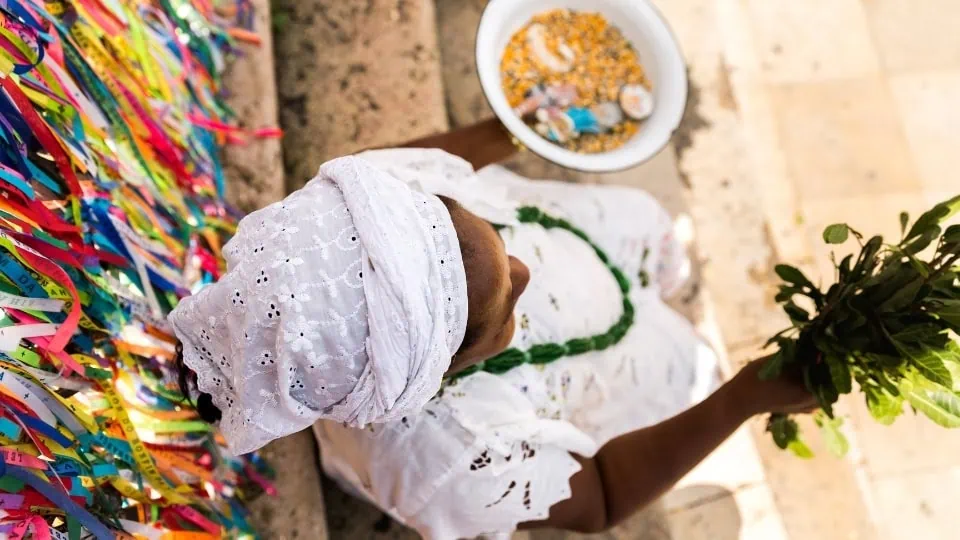
Candomblé, an Afro-Brazilian religion rooted in West African traditions, remains a central part of Salvador’s identity, shaping not only spirituality but also music, movement, and daily rituals.
Depending on the day, the experience may include a visit to a traditional terreiro or a contextual introduction to its practices, always conducted with respect and proper guidance.
Another key element is capoeira, a form of expression that combines movement, music, and history. Originally developed as a form of resistance, it is now one of the most visible cultural symbols of Afro-Brazilian identity.
The experience is not linear. It moves between places, stories, and expressions, creating a broader understanding of how this heritage continues to shape the city.
What To Expect
The experience begins in Pelourinho, Salvador’s historic center and a UNESCO World Heritage site, where colonial architecture meets the foundations of Afro-Brazilian culture. As you walk through its streets, layers of history emerge, shaped by the city’s role as Brazil’s first capital and a key point in the transatlantic slave trade.
From there, the experience expands into living culture – from Candomblé to capoeira. Rather than a fixed path, it moves between places and expressions, offering a deeper understanding of how this heritage continues to shape Salvador today.
Gallery
What Our Clients Say
 Excellent
5.0119 reviews
5.0Excellent119 reviewsI would like to express our gratitude and recognition to BET – Best Exclusive Travels for all the excellent work done during our program in Rio de Janeiro. From organizing transfers and guides, to tickets for tours, restaurant suggestions and reservations, to monitoring every detail of the program, everything was conducted with excellence, professionalism, and enormous attention to the client. A special thank you to Anthony, Camille Micaut, Sascha and Samantha Szczerb, and also to the entire team and professionals coordinated by BET. Always very attentive, available, and concerned with ensuring that everything happened in the best possible way. What impressed us most was precisely the attention to detail and the ability to offer solutions and support throughout the experience. Top-notch service. Congratulations to the entire BET team! Without a doubt, a company we recommend to anyone seeking excellence, attention, and truly personalized service in Rio de Janeiro. From organizing transfers and tour guides to arranging sightseeing tickets, restaurant recommendations and reservations, as well as carefully coordinating every detail of our itinerary, everything was handled with excellence, professionalism, and exceptional attention to the client. A special thank you to Anthony, Camille Micaut, Sascha, and Samantha Szczerb, as well as to the entire team and all the professionals coordinated by BET. Everyone was always extremely attentive, available, and genuinely committed to ensuring that everything went as smoothly as possible. What impressed us the most was their attention to every detail and their ability to provide solutions and support throughout the entire experience. Truly outstanding service. Congratulations to the entire BET team! We highly recommend BET to anyone looking for excellence, attention to detail, and truly personalized service in Rio de Janeiro.
(Translated by Google, see original)An absolutely unforgettable journey — thank you, Brazil Exclusive Travels! From the very first email to the final goodbye, planning our trip with Brazil Exclusive Travels was a genuine pleasure, and we could not recommend them more highly. Our three-week journey across Brazil — the Lençóis Maranhenses, Salvador de Bahia, Rio de Janeiro, Angra dos Reis, the Iguaçu Falls and the Pantanal — was organized flawlessly from start to finish. A very special thank-you goes to Vincent Droesbeke, our travel consultant, who looked after us with extraordinary care both before and during the trip. He crafted an itinerary that balanced adventure, culture, nature and pure relaxation perfectly, and not a single detail was left to chance. He even came to welcome us in person when we landed in Rio — a thoughtful, personal touch that meant a great deal to us — and surprised us with a wonderful room upgrade on top of it. Every transfer, flight and connection ran perfectly, and each local guide and driver was outstanding: knowledgeable, warm and genuinely passionate about their country. The experiences they arranged were once-in-a-lifetime — a scenic flight over the Lençóis, the Iguaçu Falls from both the Brazilian and Argentine sides, and, the highlight of them all, watching a female jaguar and her cub play at sunset in the Pantanal. Thank you, Vincent and the entire BET team, for turning our dream of Brazil into reality. We will treasure these memories forever — and we will be back! Ilaria & CristianoThis agency went above and beyond for my trip to Rio de Janeiro. From the first email to getting on the plane back home. The tour guides, security team and drivers were amazing-professional , friendly and always looking out for me. I felt completely taken care of the entire time, which made the trip even more enjoyable. I'm so grateful for their support and would absolutely recommend them to anyone looking for a stress-free, high high quality travel experience.Dara and Brazil Exclusive Travels is a 5 star plus company. I would give them 10 stars if possible! Dara and her team helped me plan a perfect Rio holiday. She had ideas on everything from tours - to restaurants - to transfers - to a Michelin level chef to cook for us! Plus Dara and her team were with us every step of the way! Honestly I have nothing negative to say about this company at all! I highly recommend them.I reached out to Brazilian exclusive travel as I was unable to order tickets for a concert for a birthday visit to São Paulo. This happens a lot when booking things if you’re not in or from Brazil but Brazilian exclusive came to the rescue!!! They ordered my tickets and did everything they could to reassure me about safely receiving them! It was a 10/10 for my experience! Quick and efficient, too! Using them to book the rest of my tours and things whilst I am there! 🩷🩷🩷🩷Brazil Exclusive Travels arranged a private tour for a corporate group of 20 people. All the logistics pre-tour handled by Felipe were very well coordinated. Communication was very clear. The team was very attentive to details. Our tour guide Juliana was amazing. I highly recommend them for experiencing the best of Rio.We spent a fantastic 2 days in Rio de Janeiro at the beginning of November. Thanks to Felipe everything went exactly as planned. The guide and driver arrived always on time, theyp were extremly polite,attentive and courteous. Tatiana, the guide was perfect, showed and told everything that could be done in just 2 days. It helped a lot that the driver always dropped us off at the closest location and waited us, as well as fast pass entrance tickets to important places. Overall it was a wonderful experience, just as we had imagined. Thanks to everyone who participated in the organisation and implementation. I recommend the office to everyone, they were very fair. Suzan from HungaryLeave with peace of mind for Brazil, in RIO by entrusting Camille with the care of organizing your stay. With a perfect knowledge of RIO and its surroundings, your efficient help and relevant advice Camille have been very valuable to us and in particular: obtaining tickets for a match at the Maracana (delivered directly to our hotel room), putting us in touch with a French-speaking guide for a morning visit to Santa Teresa (request made the day before), organizing a transfer Ilha Grande - Rio with a stop at the Rio heliport for a flight over the city (Help in choosing the helicopter company) ... Responsiveness, Rigor, Precision and solutions provided (even to last-minute requests): Camille has a great sense of service and support for a tailor-made trip. Thank you Camille for your assistance, your discreet, pleasant and so comfortable presence, you have greatly contributed to the success of our trip.
(Translated by Google, see original)We had an amazing experience!!! Felipe Tauile went above and beyond for our guided tour to help with restaurant recommendations, reservations, and even private airport transfers. He responded immediately to all of our questions and even pivoted plans around weather cancellations. 10/10 recommend and plan to utilize his expertise for future business trips in Brazil!Went for two weeks for carnival. Dara our tour organizer and Pedro our driver were amazing at organizing everything and patient with multiple changes many of which were last minute as we learned more on the ground about different events or places we should experience. Although definitely on the higher side price wise it is worth it if you want a stress free private experience. We will definitely be recommending to any friends traveling to Rio. Anyone who enjoys history should definitely take the private tours as it is you with a guide fluent in your language and whom are very sociable. If you have a lack of plans or want a more dynamic day I’d book the car for the day. The drivers can recommend places to shop, beach, eat etc as can Dada. Ubers can take a while and even the Uber blacks are basic Toyota Camrys and not always in the best of shape.


Experience Highlights
– Exploration of Salvador’s Afro-Brazilian cultural heritage
– Introduction to Candomblé traditions and spiritual practices
– Visit to Pelourinho and key historic landmarks
– Observation of capoeira and local cultural expressions
Logistics and Planning
This experience is designed to provide context, depth, and flexibility.
A Word From Our Crew
“Salvador is not something you simply visit. It’s something you begin to understand, piece by piece.
Location In Salvador
Salvador is often referred to as the cultural heart of Afro-Brazilian heritage, shaped by centuries of African influence in religion, music, cuisine, and daily life. Its historic center, combined with living traditions across the city, creates a unique environment where past and present exist simultaneously.
Plan Your Afro-Bahian Experience
This experience is best approached with time and context, allowing for a deeper understanding of Salvador’s cultural identity. To include it in your itinerary, fill out our form and our team will design the experience around your journey, ensuring a meaningful and well-balanced visit.
FAQs – Afro-Bahian Heritage Tour
Is this experience respectful to local traditions?
Yes. All visits are conducted with cultural sensitivity and guided by knowledgeable professionals.
Can we visit a Candomblé ceremony?
In some cases, yes. Access depends on timing and must always be approached respectfully.
Is the experience focused on history or culture?
Both. It connects historical context with living cultural practices.
Is this a walking tour?
Yes. The lagoons offer calm, warm waters ideal for swimming and relaxation.
Where should I stay in Salvador?
We recommend combining this experience with a stay at carefully selected properties such as Fasano Salvador, Fera Palace Hotel, and Zank by Toque Hotel, each offering a distinct atmosphere and a refined base to explore the city. Our team will recommend the most suitable option based on your itinerary and preferences.