 Skip to content


In this article about São Paulo, you will learn how to plan a high-comfort, culture-rich trip: where to stay (with specific luxury hotels and their neighborhoods), what to prioritize across museums and galleries, how to balance parks and architecture with dining, and which annual events (including the Formula 1 São Paulo Grand Prix) can reshape hotel pricing and availability.
São Paulo feels like LA threw up on New York.
That line gets a laugh because it captures the scale and the pace. But it misses the part luxury travelers tend to love most: São Paulo is a city of serious culture, polished hospitality, and a dining scene with genuine global weight.
- World-class hotels with mature concierge culture and high service consistency
- Museums and private collections that can fill a full itinerary without repetition
- Dining at Michelin level, plus excellent casual options when you want something lighter
- Events and business travel that keep the city dynamic, but require smarter booking windows
São Paulo rewards travelers who plan intentionally, then leave breathing room for the city to surprise them.
| Hotel | Best For | Neighborhood Context |
|---|---|---|
| Palácio Tangará | A quieter, resort-like feeling inside the city | Set by Parque Burle Marx, surrounded by greenery |
| Rosewood São Paulo | Design-forward luxury, culture access, “city address” energy | Anchors Cidade Matarazzo, close to Avenida Paulista |
| Tivoli Mofarrej São Paulo | Convenience for Paulista, shopping, museums, and polished comfort | In Jardins, one block from Avenida Paulista |
- A sense of “escape” without leaving the city
- Excellent for travelers who prefer privacy and space
- Strong fit for a trip where dining and wellness matter as much as museums
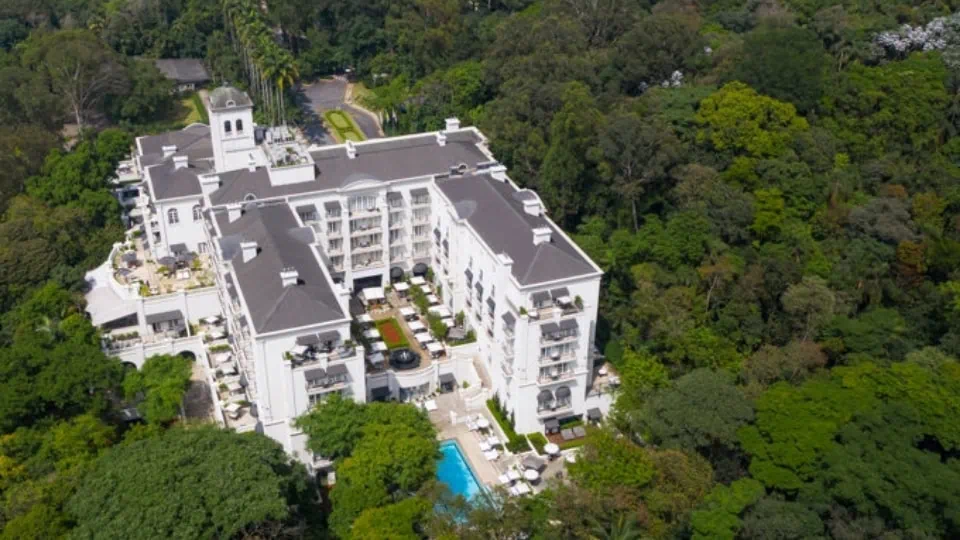
If your version of São Paulo includes downtime, this is the easiest place to build it in.
- Travelers who want a high-energy, city-centric base
- Art, design, and architecture lovers
- A trip that mixes museums, shopping, and late dinners

It’s a hotel that makes São Paulo feel curated the moment you arrive.
- Travelers seeking convenience without sacrificing comfort
- Museum-focused itineraries along Paulista
- Short stays where efficiency matters
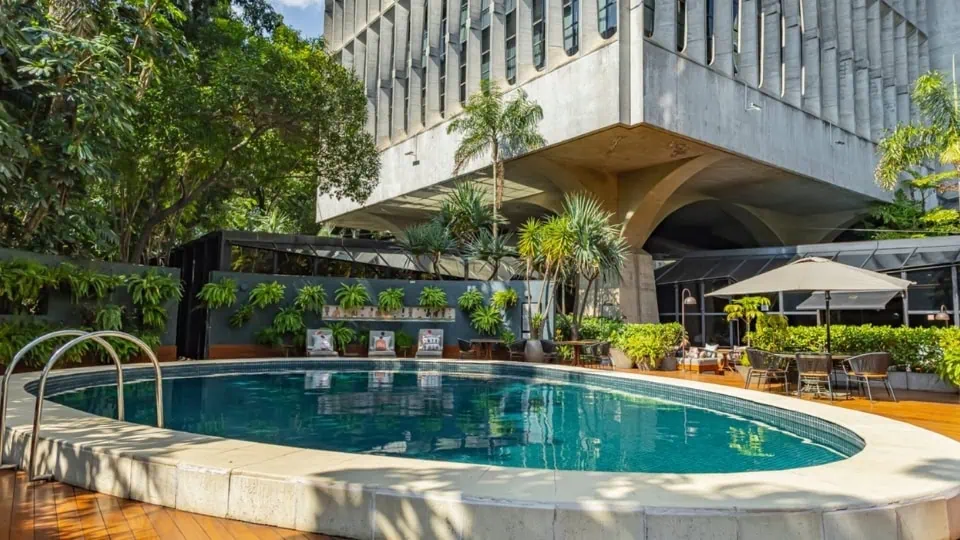
The hotel’s centrality simplifies logistics in a city where distance can quickly define the day.
- Go earlier in the day for quieter galleries
- Pair it with a calm lunch so you don’t rush the experience
- Keep the rest of the day in the same “zone” (Paulista or Jardins) to avoid traffic fatigue
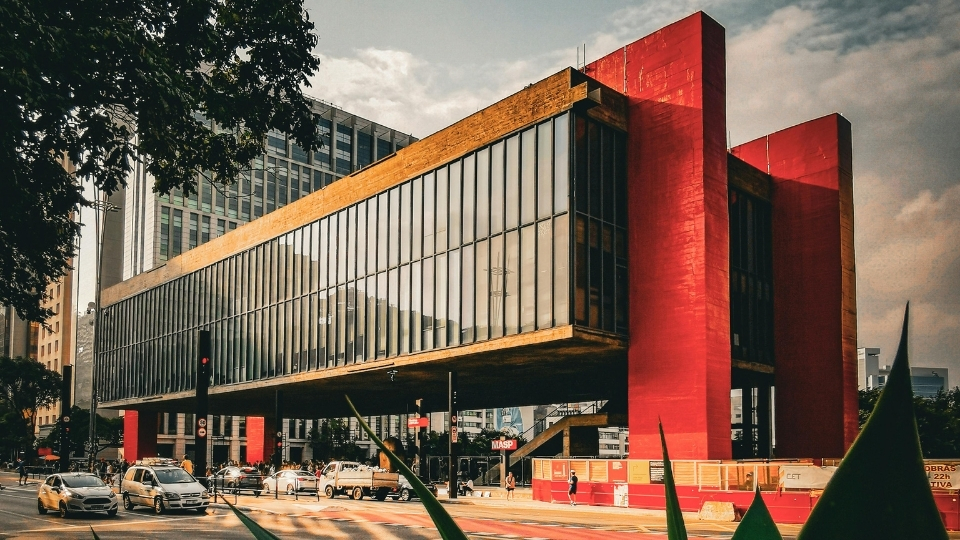
MASP is one of those visits that tends to elevate the whole trip, even for travelers who don’t consider themselves museum people
- Commit to one major institution rather than trying to “cover the center”
- Use a driver for transfers and to avoid unnecessary detours
- Schedule lunch in advance so you end on a high note
São Paulo becomes far more enjoyable when you design your day as a sequence, not a scavenger hunt.
- A relaxed morning walk
- Coffee nearby rather than inside the park
- Lunch in the surrounding neighborhoods
This pause often shapes how the rest of the trip feels.
- D.O.M.
- Evvai
- Tuju
These restaurants reward evenings without time pressure. Planning lighter lunches and flexible mornings around them makes the experience more enjoyable.
- Maní
- Jun Sakamoto
- Kinoshita
- Murakami
- Tangará Jean-Georges
Tangará Jean-Georges, located inside Palácio Tangará, integrates seamlessly into a stay there, allowing a Michelin experience without crossing the city at night.
Dining in São Paulo is less about chasing trends and more about aligning restaurants with the energy of each day.
- GRU (Guarulhos) handles most international arrivals
- CGH (Congonhas) serves domestic routes and offers faster access to central areas
Private drivers, especially in the evenings, significantly improve comfort and flexibility.