
Rio Open 2026: What to Expect On and Off the Court

This guide explains what the Rio Open is, why it matters on the global tennis calendar, and how it fits naturally into a luxury trip to Rio de Janeiro. You will learn about the tournament’s significance, the atmosphere and setting, legendary players who have competed here, and what to realistically expect from the 2026 edition. We also explore why the 2026 tournament coinciding with Carnival creates a rare opportunity to combine world-class tennis with Brazil’s most iconic celebration.

What Is the Rio Open and Why It Matters

The Rio Open is the only ATP 500 tournament held in South America, placing it in a select tier just below Masters 1000 events. This status alone explains why it consistently attracts top-ranked players and why tickets, hospitality areas, and premium seating sell quickly every year.

Held on outdoor clay courts, the Rio Open plays a strategic role in the international calendar. It sits between indoor hard-court events and the European clay season, making it an ideal stop for players adjusting their game ahead of Roland Garros. For spectators, this means high-quality clay-court tennis, longer rallies, and tactical matches rather than quick serve-dominated games.

Key elements that define the tournament’s relevance include:

  • ATP 500 status, shared with events like Barcelona and Queen’s Club.
  • Prize money and ranking points that strongly influence player participation.
  • A unique geographic position, bringing elite tennis to Latin America rather than Europe or North America.
  • A city-first experience, where matches end and Rio immediately begins.

The result is a tournament that feels competitive without being overwhelming, international without being generic, and sophisticated without losing its local character.

Rio de Janeiro as a Tennis Destination

Rio de Janeiro is not a conventional tennis city, and that is precisely its appeal. The matches take place at the Jockey Club Brasileiro, in the Gávea neighborhood, framed by green hills rather than urban skylines or stadium complexes. The environment feels open, relaxed, and distinctly Brazilian.

For high-end travelers, Rio offers a rhythm that balances sport and leisure. You can attend an afternoon singles match, enjoy a long dinner overlooking the ocean, and still wake up to a morning walk on the beach. Few ATP tournaments allow this level of contrast.

What sets Rio apart for tennis travelers:

  • Compact distances between venues, hotels, and beaches.
  • Outdoor lifestyle, ideal for February weather.
  • World-class dining, from contemporary Brazilian cuisine to international chefs.
  • Natural scenery, visible even from within the tournament grounds.

Professional tennis player competing on a clay court during a match at the Rio Open

This setting transforms the Rio Open into more than a sporting event. It becomes the anchor of a broader travel experience.

A Look Back: Players Who Shaped the Rio Open

Since its first edition in 2014, the Rio Open has welcomed many of the sport’s most recognizable names. Their participation helped establish credibility early on and continues to shape the tournament’s global image.

Notable players who have competed in Rio include:

  • Rafael Nadal, whose presence in the inaugural edition immediately placed the tournament on the international map.
  • Carlos Alcaraz, who won the title in 2022 and later became world number one.
  • Dominic Thiem, a former US Open champion known for his clay-court consistency.
  • Alexander Zverev, whose appearances reinforced the event’s ATP 500 profile.

These names matter not only for star power but also for style. Clay-court specialists tend to thrive in Rio, which often produces matches of high tactical depth rather than predictable outcomes.

The Venue Experience: Jockey Club Brasileiro

The Jockey Club Brasileiro provides a rare combination of intimacy and scale. Unlike mega-stadiums, the venue allows spectators to feel close to the action while still offering premium hospitality options.

From a practical standpoint, the layout is easy to navigate, and sessions flow naturally between main court matches and side courts. For travelers used to events like Indian Wells or Miami Open, Rio feels more personal and less commercial.

Highlights of the venue include:

  • Center court visibility with excellent sightlines even from mid-tier seats.
  • VIP and hospitality lounges with food, drinks, and shaded areas.
  • Evening sessions, when temperatures cool and the atmosphere becomes more social.
  • Proximity to upscale neighborhoods such as Leblon and Ipanema.
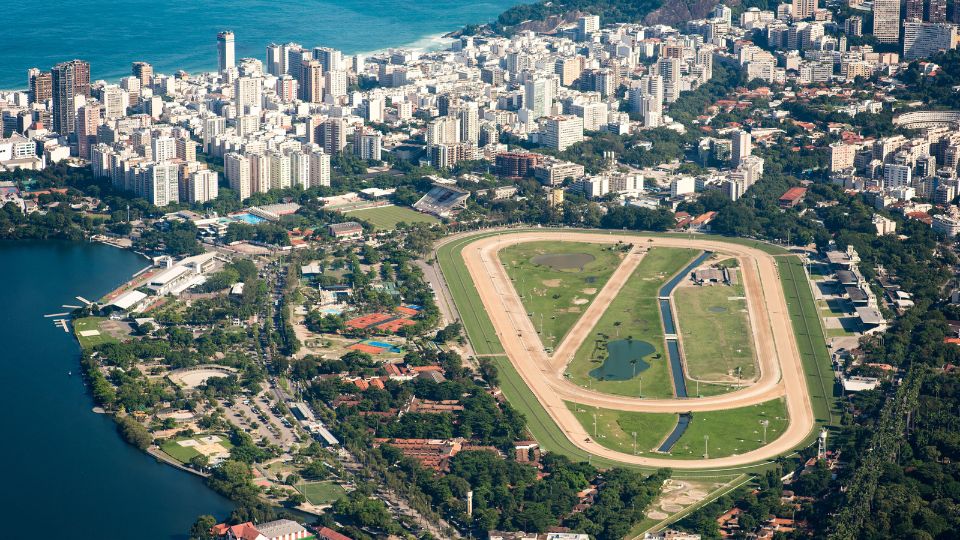
Aerial view of the Jockey Club Brasileiro during the Rio Open, with Leblon Beach and the Atlantic Ocean in the background

The venue encourages a relaxed pace, where tennis is the focus but never the only attraction.

What to Expect From the Rio Open 2026 Edition

The 2026 edition of the Rio Open is especially notable because it is scheduled during Carnival week. This alignment is rare and creates a layered experience that goes beyond sport.

While official entry lists are only confirmed closer to the tournament, expectations for 2026 are high. ATP 500 events typically attract several top-20 players, along with rising stars looking to gain points early in the season.

What travelers can realistically expect in 2026:

  • A strong ATP field, including at least one or two top-ranked players.
  • Increased international attendance, due to Carnival’s global appeal.
  • High demand for hotels and services, especially in beachfront areas.
  • Extended social programming, with events happening across the city before and after matches.

Rather than choosing between tennis and Carnival, 2026 allows visitors to experience both in the same trip.

Rio Open and Carnival: A Rare Combination

Carnival transforms Rio into a city of movement, music, and celebration. Having the Rio Open take place during this period adds an unusual contrast between the focused intensity of professional tennis and the exuberance of Carnival nights.

This overlap is particularly appealing to luxury travelers who value curated access rather than spontaneous crowds. With the right planning, it is possible to attend daytime matches and enjoy private or exclusive Carnival experiences in the evenings.

Ways travelers often combine both:

  • Afternoon tennis sessions followed by evening Carnival events.
  • Private box access at Sambadrome parades.
  • Exclusive parties and invitations, away from street-level crowds.
  • Seamless transportation and security, essential during peak season.

This is where planning becomes critical, as availability tightens quickly and last-minute arrangements are rarely ideal.


A Final Thought

The Rio Open is not simply a tennis tournament. It is a gateway to Rio de Janeiro at one of the most vibrant times of the year. In 2026, the coincidence with Carnival elevates the experience further, offering a rare chance to witness elite sport and iconic Brazilian culture in a single journey.

If you would like to receive curated insights on events like the Rio Open, Carnival planning, and refined travel experiences in Brazil, consider subscribing to our newsletter. It is designed for travelers who appreciate detail, timing, and thoughtful preparation.

FAQ: Rio Open Travel Essentials

Scroll to Top