 Skip to content


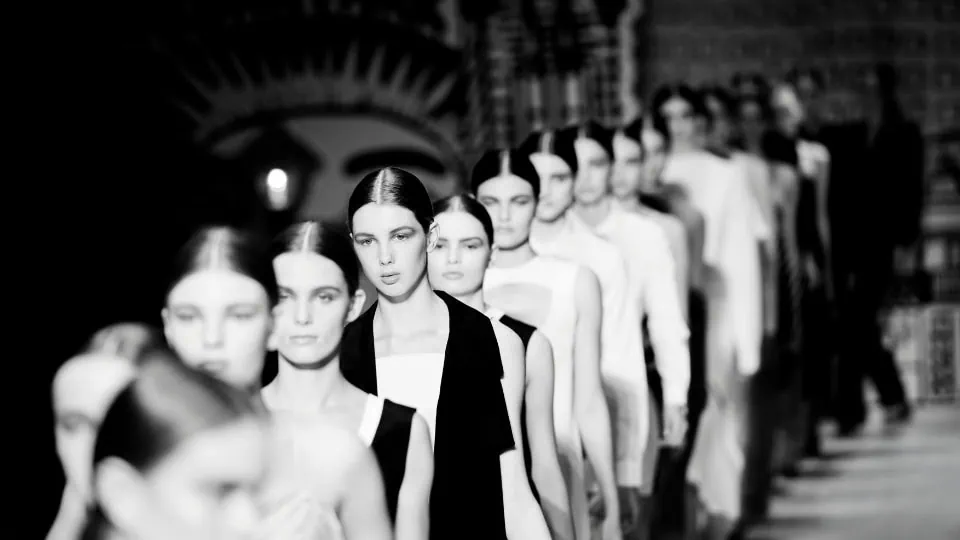
Rio Fashion Week is back in 2026 after more than a decade without a major fashion platform in the city, and that alone makes this edition more than a routine date on the calendar. The comeback places Rio de Janeiro back inside Brazil’s official fashion structure, gives the first semester to Rio while São Paulo Fashion Week remains in the second half of the year, and turns Pier Mauá into the center of a five-day program that mixes runway shows, business conversations, content, wellness, and public-facing experiences.
For international travelers, this is not just another local event. It is a strong moment to see Brazilian fashion where it feels most native – in Rio, with the city’s own codes of beachwear, craft, urban ease, music, and visual drama all in the background.
- Runway presentations from Brazilian brands
- Business Sessions connecting designers, buyers, and international players
- A “Hub de Experiências” with activations, exhibitions, and daily programming
- Public-facing access options alongside invitation-only shows
- Wellness programming such as yoga and spinning
This format signals a clear intention: Rio is not simply hosting shows again. It is rebuilding a fashion ecosystem.
- Rio Fashion Week takes place in the first semester
- São Paulo Fashion Week remains in the second semester
- Both events are now integrated into a single national calendar
This gives Brazil a clearer presence internationally and positions Rio as a formal pillar rather than a secondary event.
For travelers, this changes the narrative. You are not attending a niche fashion gathering. You are witnessing the city’s official return to the global fashion rhythm.
- April 14 – Opening day, including the Osklen show
- April 15 to 18 – Main runway schedule, Business Sessions, and full event programming
Pier Mauá offers a strong visual and logistical setting. It sits near Praça Mauá and the Museum of Tomorrow, giving the event a striking urban backdrop while remaining accessible from the South Zone.
For visitors staying in Ipanema or Leblon, transfers are manageable, though traffic planning is essential.
- Osklen
- Aluf
- Normando
- Salinas
- Piet + Pool
- Patricia Viera
- Hisha
- Handred
- Blue Man
- Angela Brito
- Karoline Vitto
- Apartamento 03
- Helô Rocha
- Adidas
- Misci
- Argalji
- Isabela Capeto
- Lucas Leão
- Dendezeiro
- Lenny Niemeyer
The mix is particularly relevant. While Rio’s beachwear heritage is present through brands like Blue Man, Salinas, and Lenny Niemeyer, the line-up also includes designers working with leather, tailoring, experimental silhouettes, and contemporary urban narratives.
This diversity reflects a broader intention – to present Brazilian fashion as layered, not limited to a single aesthetic.
- April 14 – Opening with Osklen, setting the tone for the event
- April 15 – Aluf, Normando, Salinas, and Piet + Pool
- April 16 – Patricia Viera, Hisha, Handred, and Blue Man
- April 17 – Angela Brito, Karoline Vitto, Apartamento 03, Helô Rocha, Adidas, and Misci
- April 18 – Argalji, Isabela Capeto, Lucas Leão, Dendezeiro, and Lenny Niemeyer
Three moments stand out for a visitor:
- The opening day, for its symbolic value
- April 17, for its diversity and energy
- The final day, for its distinctly Brazilian closing sequence
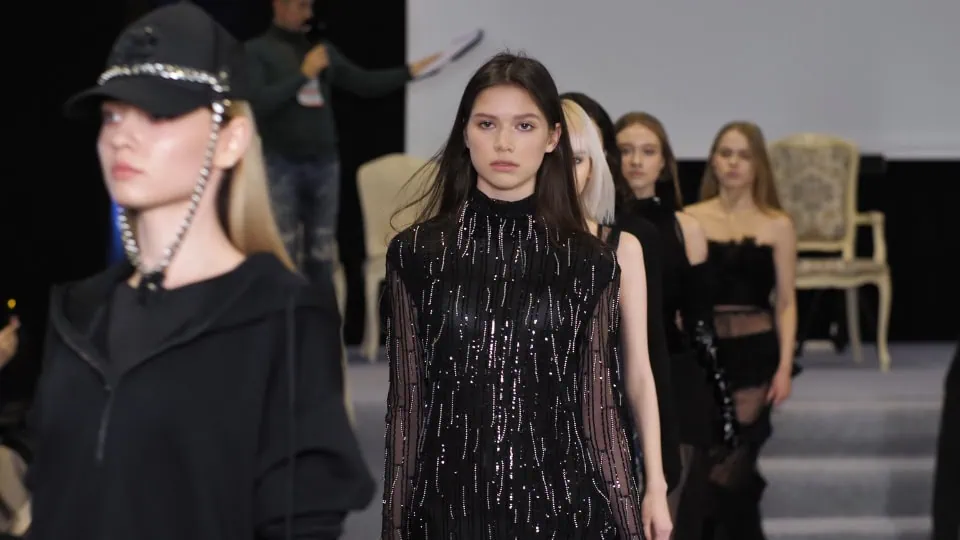
This structure gives the week rhythm and makes it easier to plan a focused visit.
- Dazed
- LOVE Magazine
- Vogue Latin America
- Galeries Lafayette
- Selfridges
- IMG Models
- MAGIC Las Vegas
- COTERIE New York
- How Brazilian brands can position themselves globally
- What international buyers expect from Brazil
- How to structure exports and scale operations
- Communication strategies for international markets
For a traveler, this reinforces that the event is not only cultural. It is commercially oriented and globally aware.
- Beachwear heritage
- Contemporary luxury
- Craft and regional identity
- Experimental and emerging designers
At the same time, the Business Sessions emphasize growth, export, and international positioning.
This combination suggests a shift. Brazil is not relying solely on tropical imagery. It is presenting a more complex identity that includes structure, business ambition, and creative diversity.
For international visitors, this makes the event particularly interesting. It offers a more complete reading of the country.
- Hub de Experiências – access to activations, exhibitions, and daily programming, without runway entry
- Inside Standing – standing access to a selected show
- Inside – seated access to a selected show
- Club – access to all shows of the day, with early entry and VIP areas
- Business Sessions – access to talks and networking, without runway entry
- Wellness – limited access to wellness programming
This structure allows travelers to engage with the event even without industry credentials.
The key is to plan ahead and decide what type of experience you want – runway-focused, cultural, or business-oriented.