Rio de Janeiro: A Complete Guide for Discerning Travelers

This guide explains how Rio de Janeiro truly works as a destination: its rhythm, geography, cultural logic, and the many ways travelers can experience the city beyond its most famous images. You will gain a clear understanding of how to plan your time, choose where to stay, move around comfortably, and explore Rio with confidence and depth before booking your trip to Brazil.

Understanding Rio de Janeiro Beyond the Postcard

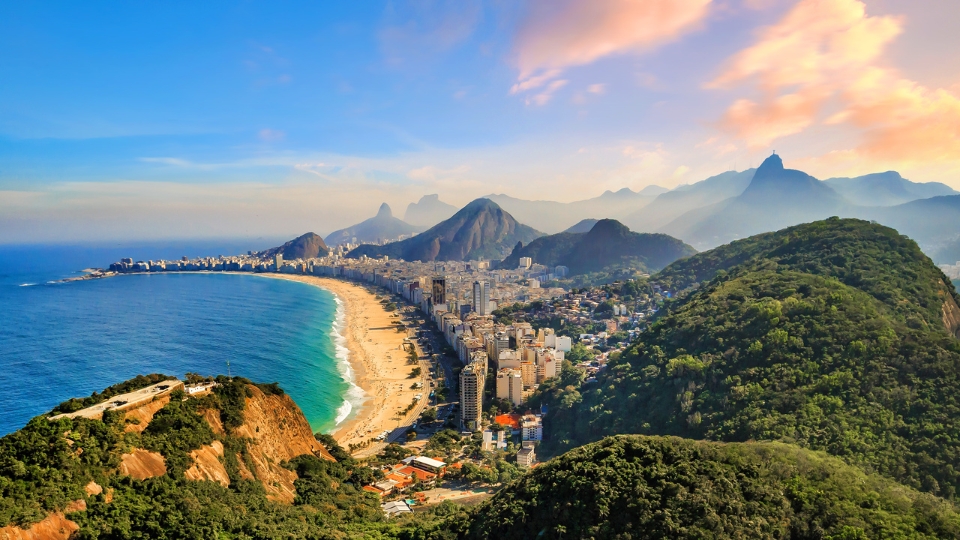
Rio de Janeiro is often introduced through a single visual language: mountains rising from the ocean, long beaches curving along the Atlantic, and a city bathed in light. While this image is accurate, it captures only one layer of what makes the city distinctive.

Rio is shaped by a rare interaction between geography and daily life. Forest-covered hills divide neighborhoods, tunnels guide the flow of traffic, and the coastline influences where people gather, exercise, dine, and socialize. This physical structure gives Rio its beauty, but also its particular rhythm.

Visitors quickly notice that days unfold differently here. Mornings start early, afternoons slow down as the temperature rises, and evenings stretch naturally into long dinners and conversations. The city encourages balance rather than acceleration.

Several structural characteristics quietly define how Rio functions:

  • Tunnels concentrate movement into specific routes
  • The oceanfront shapes social and commercial life
  • Daily schedules adapt to daylight and heat

These elements explain why Rio can feel intuitive and welcoming to some travelers, and slightly disorienting to others at first. Once understood, however, the city reveals itself as fluid and deeply human.

Where to Stay in Rio de Janeiro and How Neighborhoods Shape Your Experience

Rio does not offer a single lifestyle. Each neighborhood expresses a different relationship with the city, the ocean, and everyday life. Rather than thinking in terms of better or worse areas, experienced travelers tend to think in terms of atmosphere and personal travel style.

The South Zone remains the most internationally recognized part of the city. Copacabana is historic and energetic, animated by its iconic promenade and long-standing hotels. Ipanema feels contemporary and social, shaped by fashion, cafés, and creative life. Leblon offers a quieter rhythm, with residential streets, refined restaurants, and a calm beachfront atmosphere.

Santa Teresa presents a more intimate side of Rio, known for its older architecture, artistic community, and hillside views. Barra da Tijuca reflects the city’s modern expansion, with wide avenues, long beaches, and resort-style developments.

Travelers often choose based on the type of experience they imagine for their stay:

  • Copacabana – classic, lively, globally recognizable
  • Ipanema – stylish, social, creative
  • Leblon – discreet, residential, refined
  • Santa Teresa – artistic, scenic, intimate
  • Barra da Tijuca – modern, spacious, resort-oriented
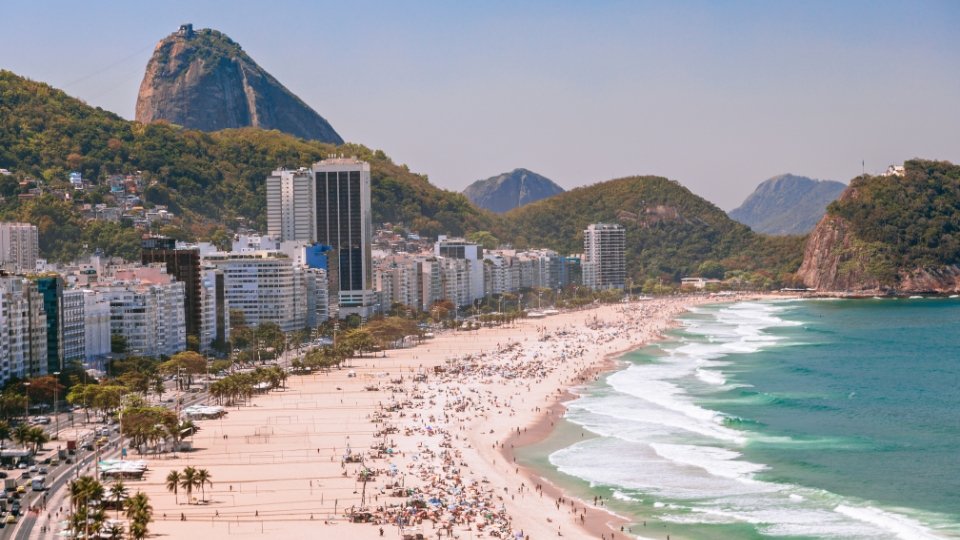
View of Copacabana beach in Rio de Janeiro, with its iconic promenade and Atlantic coastline

Each of these neighborhoods offers a legitimate and rewarding way to experience Rio de Janeiro. The most satisfying choice is the one that aligns naturally with how you prefer to spend your days.

When to Visit and How Seasons Influence the City

Rio is warm throughout the year, but climate affects far more than temperature. It influences light, visibility, ocean conditions, and the overall pace of the city.

From December to March, summer brings higher humidity, tropical rain showers, and a vibrant social calendar. Beaches are busy, evenings are long, and the city feels particularly animated. This is also when Carnival usually takes place, transforming Rio into one of the world’s largest cultural celebrations.

From May to September, the weather becomes drier and slightly cooler. The air is clearer, views from the mountains are sharper, and daily movement feels more relaxed. Many travelers enjoy this period for its balance between comfort and atmosphere.

Between these seasons, spring and autumn offer stable conditions that work especially well for first-time visitors.

Seasonal patterns in practice:

  • Summer (Dec–Mar) – warmer, humid, culturally vibrant
  • Winter (Jun–Sep) – drier, softer light, clearer views
  • Shoulder months – balanced climate and calmer rhythm

Beyond weather, timing also affects hotel availability, airfares, and access to major events. New Year’s Eve in Copacabana alone draws close to two million people, while international conferences, music festivals, and sporting events quietly reshape demand throughout the year.

What to Do in Rio de Janeiro

Rio’s appeal lies in the diversity of experiences concentrated within a single destination.

Nature is never distant. Tijuca National Park, one of the largest urban forests in the world, sits within the city limits. Sugarloaf Mountain and Corcovado provide panoramic views, while the beaches offer space for long walks, swimming, and quiet afternoons by the sea.

Cultural life is equally rich. The historic center reveals colonial churches, imperial palaces, and contemporary museums such as the Museum of Tomorrow. Music is woven into daily life, from informal samba circles to major international performances.

Gastronomy reflects Brazil’s diversity. Restaurants range from casual beachfront cafés to refined dining rooms led by chefs who reinterpret local ingredients with modern techniques.

Visitors are often drawn to:

  • Urban beaches and coastal walks
  • Mountain viewpoints and forest trails
  • Museums and architectural landmarks
  • Contemporary Brazilian cuisine
  • Private tours and curated cultural experiences

Rio does not require choosing between rest and discovery. It allows both, often on the same day.

The Character of Luxury in Rio

Luxury in Rio de Janeiro tends to be discreet rather than demonstrative.

It is shaped by privacy, fluid logistics, and personal attention. The most memorable experiences often depend on timing, coordination, and local knowledge rather than on visible display.

This approach defines how high-end travel unfolds in the city. Private transfers ensure continuity between neighborhoods, experienced guides provide context, restaurant reservations are handled quietly, and major events are navigated without uncertainty.

For travelers accustomed to standardized luxury markets, Rio’s style can feel more organic. Over time, many come to appreciate this flexibility, which allows stays to feel personal rather than scripted.

Major Events and Their Impact on Travel Planning

Rio hosts several moments each year that attract global attention and subtly transform the city.
Carnival remains the most famous, combining samba parades, street celebrations, and formal balls into a week that defines Brazil’s cultural identity abroad. New Year’s Eve follows closely, with one of the world’s largest open-air celebrations along Copacabana Beach.

Beyond these, the city regularly welcomes major concerts, sporting competitions, and diplomatic gatherings.

For travelers, this means that certain periods benefit from earlier planning. Hotels fill quickly, transport demand rises, and some neighborhoods adopt special security and traffic arrangements. Many visitors plan around these dates either to participate in the energy or to enjoy quieter weeks just before or after.

New Year’s Eve fireworks over Copacabana beach in Rio de Janeiro, marking the city’s famous year-end celebration

Moving Around the City

Rio offers metro lines, taxis, and app-based transport services, but its geography influences travel time more than distance alone.

Mountains and tunnels shape traffic patterns, and the same route can take very different amounts of time depending on the hour. For this reason, many visitors prefer organized transfers or private drivers, especially in the evenings or during busy periods.

Experienced travelers often structure days by area rather than by strict schedules, allowing movement to feel natural rather than rushed.

Practical Safety in Context

Rio is a large and diverse city, comparable in complexity to other major global destinations.

Most visitors experience the city without incident, particularly when staying in well-known neighborhoods, using reliable transportation, and keeping valuables discreet. Hotels and professional travel services routinely assist with logistics and local recommendations, helping travelers focus on the experience itself.

Practical habits that seasoned visitors adopt include:

  • Using arranged transport at night
  • Carrying valuables discreetly
  • Asking local guidance when exploring new areas
  • Keeping a flexible daily rhythm

These small measures contribute greatly to peace of mind.

Closing Thoughts

Rio de Janeiro is not defined by a single attraction or moment. It is defined by how landscapes, culture, and daily life intersect.

Travelers who approach the city with curiosity and patience often discover a destination that feels expressive, generous, and deeply human. Those who plan thoughtfully tend to leave with the sense that they have not simply visited a place, but understood a rhythm.

If you would like to receive more destination insights, seasonal travel notes, and carefully curated perspectives on Brazil, consider subscribing to our newsletter.

Frequently Asked Questions About Rio de Janeiro

Scroll to Top