 Skip to content


This article. explains what Inhotim is, why it is considered one of the most significant contemporary art destinations in the world, and how to experience it at a pace and comfort level suited to high-end travelers. You will learn how the museum is structured, which artists and artworks define its reputation, how nature and architecture shape the visit, and where to stay for a refined experience nearby. We also connect Inhotim to other destinations in Minas Gerais, helping you see how it fits into a broader cultural journey through Brazil.
- Contemporary art from the late 20th and 21st centuries
- Landscape design and environmental preservation
- Experimental architecture
- A living botanical collection with global relevance
This combination places Inhotim among the most distinctive cultural institutions worldwide, frequently compared to places like Storm King Art Center in the United States, though with a much stronger integration of tropical landscape and architecture.
- Art should exist in dialogue with nature, not separate from it
- Visitors should experience works slowly, physically moving through space
- Large-scale and immersive pieces deserve permanent, purpose-built homes
Today, Inhotim holds one of the most important collections of contemporary art in Latin America, while also maintaining a botanical garden recognized by international environmental institutions.
This dual identity as museum and botanical reserve is not symbolic. It defines how the visitor experiences the place.
- Hélio Oiticica – Known for participatory works that challenge traditional boundaries between art and viewer. His installations at Inhotim invite movement, sound, and bodily experience.
- Cildo Meireles – His works often explore power, memory, and political structures. Installations such as immersive sound environments are among the most impactful in the museum.
- Tunga – One of Brazil’s most internationally recognized artists, Tunga has multiple pavilions dedicated to his complex, symbolic installations.
- Adriana Varejão – Her work examines colonial history, architecture, and the body. Her pavilion is frequently cited as a highlight of Inhotim.
These artists are not presented as isolated names, but as part of a broader narrative of Brazilian contemporary art that balances political reflection, material experimentation, and conceptual depth.
- Olafur Eliasson, whose installations explore perception, light, and environmental awareness
- Doug Aitken, known for immersive video and sound environments
- Janet Cardiff, whose audio-based works transform the act of walking into a narrative experience
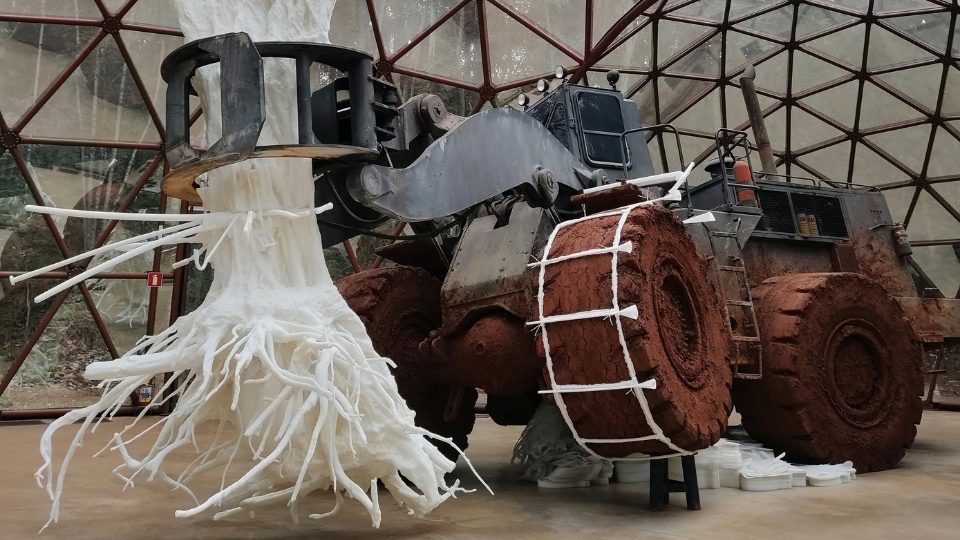
The presence of these artists reinforces Inhotim’s position as a museum of international relevance rather than a regional attraction.
- Pavilions designed to control natural light with precision
- Structures partially embedded into the landscape
- Open buildings that allow sound, humidity, and vegetation to enter the space
This architectural approach changes how visitors move, pause, and reflect. Unlike traditional museums, where rooms are arranged sequentially, Inhotim allows visitors to choose their own rhythm and route.
- Plants are grouped by biome or botanical family
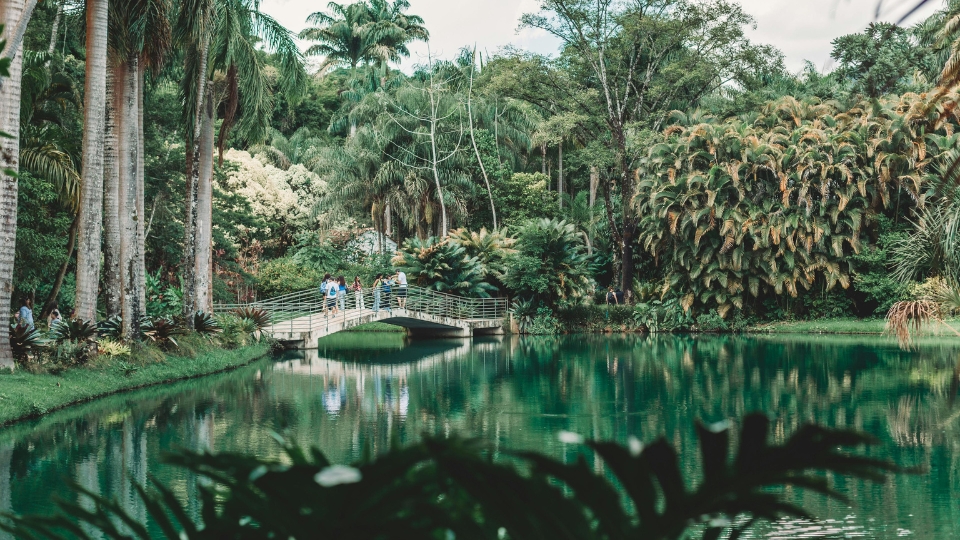
- Lakes and water features are integrated into walking paths
- Native Atlantic Forest areas are preserved alongside curated gardens
For many visitors, the natural environment is not a backdrop but a parallel attraction. The experience alternates between intellectual engagement with art and sensory immersion in nature.
- One day: A curated highlights visit with private transport and a focused art itinerary
- Two days: A balanced experience combining major pavilions, gardens, and rest periods
- Three days: Ideal for art-focused travelers who want to revisit works and explore lesser-known areas
Electric carts, private guides, and advance planning significantly enhance the experience, especially for travelers accustomed to comfort and efficiency.
- Spacious rooms and suites with contemporary design
- High-quality gastronomy focused on regional ingredients
- Spa and wellness facilities ideal after long days of walking
- Quiet surroundings that contrast with the intensity of the museum visit
What makes Clara Arte Resort particularly appealing is its alignment with the Inhotim experience. The atmosphere is calm, thoughtful, and oriented toward guests who value culture, nature, and comfort rather than nightlife or mass tourism.
For high-end travelers, staying nearby allows early arrival at the museum, flexible scheduling, and the option to return for rest between visits.
- Belo Horizonte – A natural gateway with excellent restaurants and modernist architecture, including works by Oscar Niemeyer.
- Ouro Preto – A UNESCO World Heritage Site famous for baroque churches, historic streets, and gold-mining history.
- Tiradentes – Known for refined pousadas, gastronomy, and a slower pace that complements cultural travel.
Combining Inhotim with these destinations creates a well-rounded itinerary that moves between contemporary art, colonial heritage, and regional cuisine.