 Skip to content


This article explains how the carnival parade in Rio de Janeiro evolved into one of the world’s most sophisticated forms of cultural expression, and why certain historic parades became lasting reference points. You will learn what these parades were about, which samba schools created them, and why their impact goes far beyond winning titles. The focus is purely informational, offering historical clarity for travelers who value context, depth, and understanding
- A central theme guiding all creative decisions
- A samba-enredo summarizing the story in musical form
- Costumes representing chapters of the narrative
- Floats illustrating key moments or symbols
- Choreography designed to reinforce meaning, not just movement
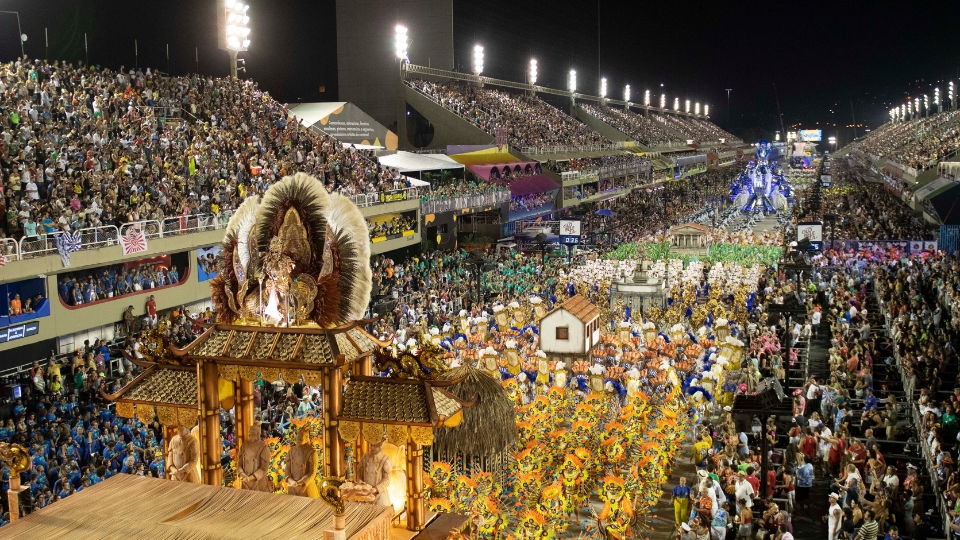
This system elevated the parade from entertainment to collective storytelling. It also created the conditions for certain parades to transcend their year and become historic references.
- It legitimized Black historical figures as central carnival protagonists.
- It introduced academic research as a foundation for parade themes.
- It helped establish Salgueiro’s reputation for intellectual rigor and aesthetic innovation.
This moment shows that the carnival parade’s cultural ambition predates modern infrastructure, rooted instead in creative intention.
- It exposed the carnival parade as a space of censorship and resistance.
- The covered Christ float became an enduring symbol of artistic protest.
- It affirmed carnival’s role as a mirror of social inequality and power tensions.
This parade confirmed that the carnival parade is not neutral, but a public forum where art and society collide.
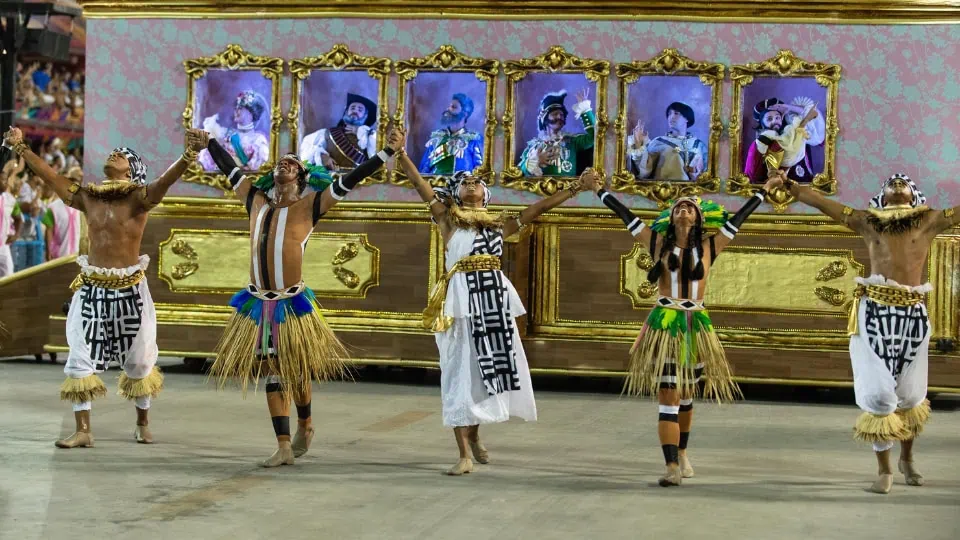
Why this parade became a modern reference:
- It reframed Brazilian history through marginalized perspectives.
- It demonstrated carnival’s capacity for historical revision.
- It sparked debate beyond the Sambadrome, influencing education and media.
- Historical or thematic research
- Composition of the samba-enredo
- Costume and float design linked to narrative chapters
- Rehearsals ensuring visual and musical coherence
Parades that endure historically tend to balance artistic risk with narrative clarity, allowing future audiences to understand their message.
- Narrative coherence
- Musical quality
- Visual harmony
- Technical precision
- Emotional impact
Many historic carnival parades emerged precisely because schools took calculated risks to stand out within this framework.
- How the opening sets the narrative tone
- Transitions between costume groups
- Lyrics referencing historical events or figures
- How the final float resolves the story
These techniques often trace their origins to historic parades that established narrative conventions still in use today.