 Skip to content


This article explains how guided tours in rio help high-end travelers see beyond postcard views. You will learn how private guides transform iconic landmarks into meaningful experiences, which neighborhoods best reveal the city’s cultural layers, what types of curated tours exist, and how to choose the right ones for a sophisticated, well-paced stay.
Rio de Janeiro is the second-largest city in Brazil and has been recognized by UNESCO as a World Heritage Site for its Urban Cultural Landscape.
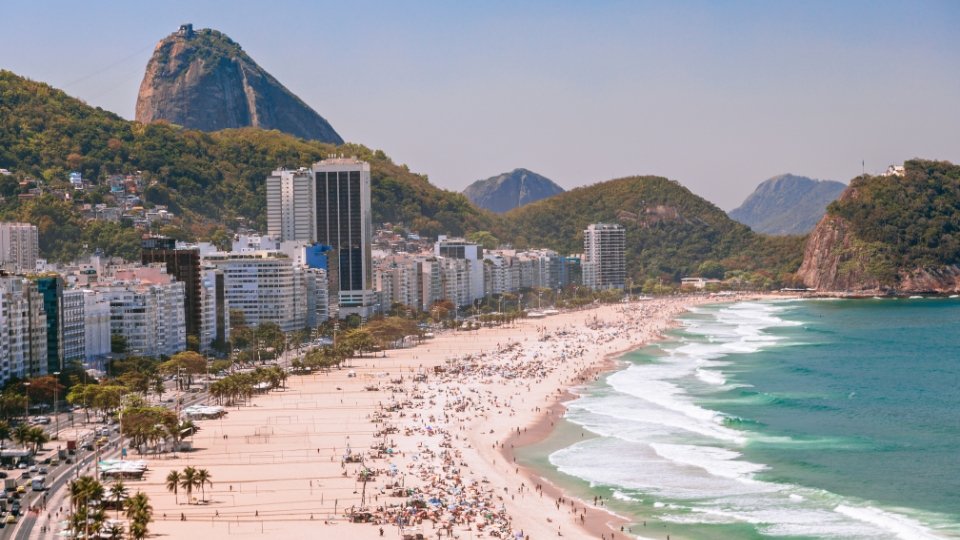
Rio rarely needs an introduction. Sugarloaf, Copacabana, and Christ the Redeemer have shaped the world’s image of the city for decades. What many visitors do not realize is that these landmarks are only the visible layer of a far more complex urban story. Guided tours in rio exist precisely to bridge that gap, transforming visual beauty into understanding.
For travelers accustomed to thoughtful service, cultural depth, and seamless logistics, guided experiences are not about ticking boxes. They are about gaining perspective, moving comfortably through unfamiliar spaces, and returning home with more than photographs.
- Interpretation: understanding architectural styles, religious symbolism, and social dynamics
- Efficiency: avoiding logistical friction in a geographically complex city
- Access: entering districts and viewpoints rarely explained in conventional sightseeing
This is particularly relevant in Rio, where geography alone can be disorienting. Mountains divide neighborhoods. Tunnels link social worlds. Entire communities rise vertically on hillsides.
Guided touring replaces uncertainty with fluency. You begin to read the city instead of merely observing it.
- Why the port area became the center of colonial commerce
- How tunnels reshaped real estate development in the 20th century
- Why certain hills became informal settlements while others attracted artists and elites
These patterns are invisible to casual visitors but essential to understanding how modern rio functions.
- Church courtyards
- Public squares
- Old warehouses near the port
- Colonial streets hidden behind modern façades
Guided tours bring these layers into focus, showing how the past continues to influence housing, music, religion, and social geography.
- Strategic scheduling to avoid peak congestion
- Priority access when available
- Context on the statue’s construction and religious symbolism
- Stops at intermediate viewpoints to explain urban expansion
Rather than isolating the monuments, guides frame them as reference points within a living city.
This tour works best early in your stay, establishing a mental map of rio that makes later exploration more intuitive.
- Valongo Wharf, a UNESCO-listed site
- Former slave markets and burial grounds
- The birthplace of samba
- Discussions of contemporary Afro-Brazilian identity
This tour often becomes the emotional center of a trip, offering perspective that no panoramic viewpoint can provide.
- Portuguese colonial structures
- French-inspired neoclassical theaters
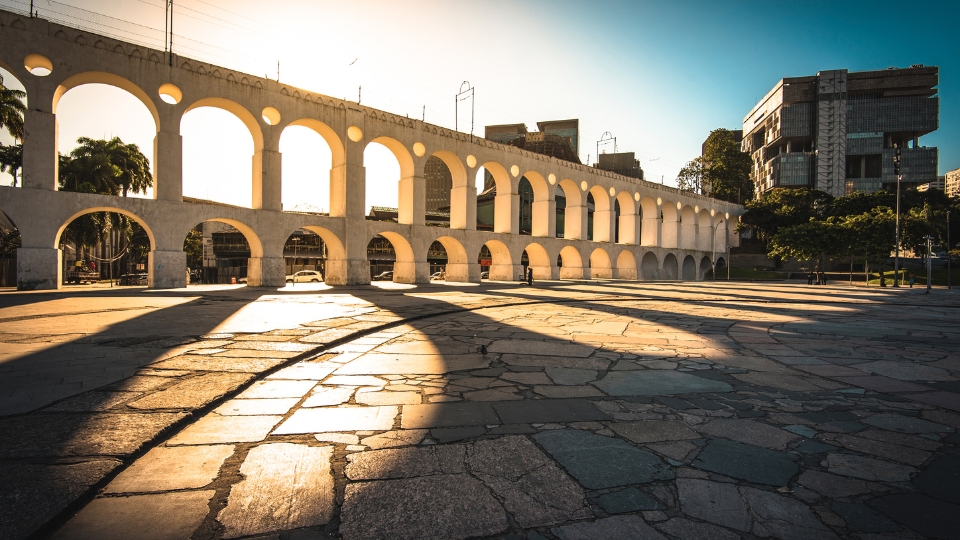
- Art Deco commercial buildings
- Modernist government complexes
Guides contextualize how each period reflected political ambition, economic cycles, and changing global influences.
For travelers interested in design, photography, or urban studies, this route reveals a side of Rio rarely featured in leisure travel narratives.
- Community projects and entrepreneurship
- Daily routines of residents
- Local art and music
- Panoramic viewpoints inaccessible by car
Visitors gain insight into how nearly a quarter of the city’s population lives, works, and organizes its social life.
The result is often a more realistic, respectful understanding of the city’s social fabric.
- Independent galleries
- Artist studios
- Small museums
- Historic mansions converted into cultural spaces
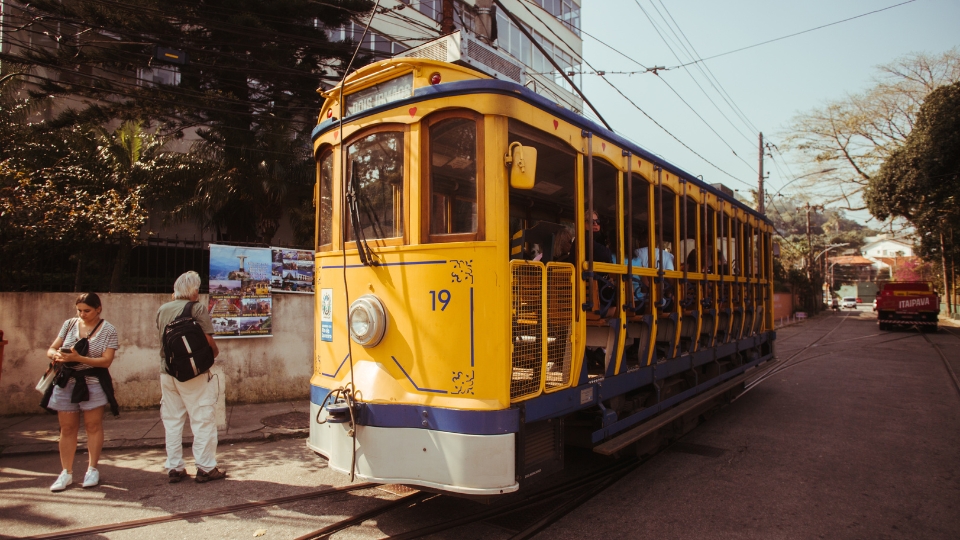
Guided walks introduce both the neighborhood’s bohemian legacy and its current challenges with preservation and gentrification.
This tour appeals to travelers who value atmosphere over landmarks.
- The former imperial palace
- Colonial churches
- Traditional cafés operating for over a century
- Streets associated with abolition and early republican movements
In three hours, visitors gain a structured understanding of how rio transformed from colonial port into modern metropolis.
Rio de Janeiro has just become UNESCO’s World Book Capital for 2025.
This recognition reflects how deeply culture, education, and intellectual life are woven into the city’s identity, far beyond its beaches.
- Licensed guides with academic or professional specialization
- Private or very small groups
- Flexible pacing
- Hotel pick-up and air-conditioned transport when needed
- Customizable narratives based on your interests
| Tour Type | Best For | Duration |
|---|---|---|
| Christ + Sugarloaf | First-time visitors | 4–5 h |
| Little Africa | Cultural travelers | 3–4 h |
| Architecture | Design enthusiasts | 3 h |
| Favela | Social insight seekers | 3–4 h |
| Santa Teresa | Art lovers | 3 h |
| Historic Center | Context builders | 3 h |
A balanced stay in Rio usually includes one panoramic tour and one cultural or neighborhood-focused experience.
- December to March: hot, festive, busy
- April to June: mild temperatures, excellent visibility
- July to September: cooler evenings, popular with Europeans
- October to November: warm, quieter, good value
For travelers seeking discretion and flexibility, April, May, September, and November often offer the best conditions.
During Carnival and major holidays, private guides should be reserved several weeks in advance.