 Skip to content


If you are researching flights to Brazil from Canada, this guide will help you understand what has changed, what is launching, and how to plan your journey intelligently. You will learn about the new direct routes connecting Canada to Brazil, how to choose the right gateway city, what to expect on long haul service, and how to continue beyond Rio de Janeiro and São Paulo to destinations that feel distinctive and carefully curated.
This is not simply about getting from point A to point B. It is about understanding how air connectivity shapes the kind of experience you can design once you land.
For Canadian travellers, this renewed connectivity means shorter travel times, more direct service, and easier access to regions that previously required complex itineraries.
- Non stop to Rio de Janeiro (GIG)
- Non stop to São Paulo (GRU) with Air Canada
- Seasonal non stop to Rio de Janeiro (GIG)
Flight times range from approximately 9.5 to 11 hours depending on routing and winds.
For Canadian travellers accustomed to transiting through the United States or Europe, these new flights to Brazil reduce friction considerably. Fewer layovers mean fewer potential delays and more predictable arrival times.
- Increased seat availability
- Competitive fare structures
- Expanded premium cabin offerings
- Greater seasonal frequency during Canadian winter
And importantly, more flexibility in choosing arrival hubs.
- Strong connectivity to northern Brazil, including Manaus
- Immediate access to coastal and cultural experiences
- A visually striking arrival over mountains and ocean
For travellers continuing to the Amazon or combining urban exploration with nature, Rio can be a logical first stop.

- The largest domestic flight network in Brazil
- Frequent connections to nearly every major region
- A major hub for premium domestic cabins
If your journey includes Pantanal or Fernando de Noronha, São Paulo often offers the most efficient onward routing.
| Hub | Strength | Best for |
|---|---|---|
| Rio (GIG) | Scenic arrival, northern connections | Amazon itineraries |
| São Paulo (GRU) | Largest domestic network | Pantanal, Noronha, multi region trips |
Selecting your gateway carefully ensures your flights to Brazil align seamlessly with your broader travel goals.
- 4 hours from Rio
- 3.5 hours from São Paulo
From Manaus, access to luxury lodges typically includes:
- Private riverboat transfers
- Seaplane arrivals
- Guided expeditions with bilingual naturalists
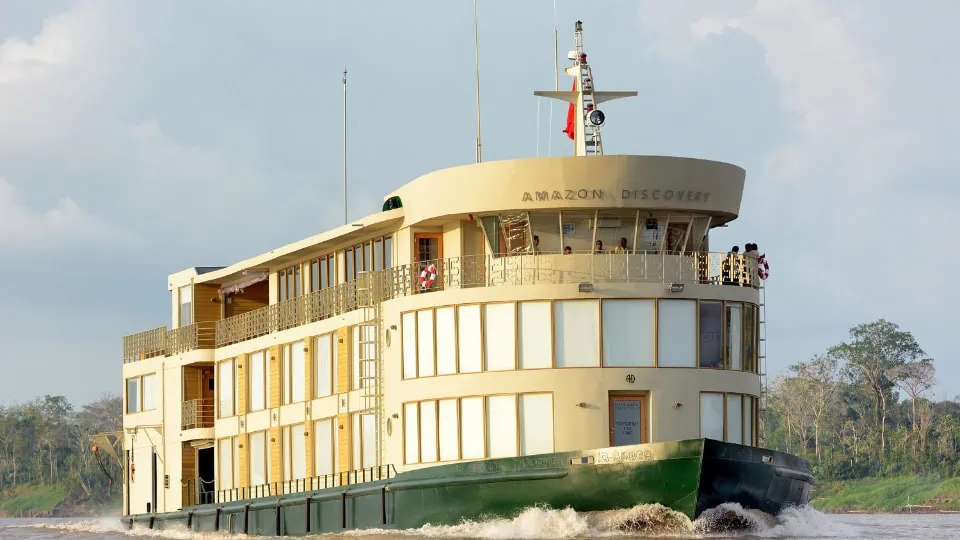
The Amazon experience is about scale and stillness. Early morning mist over black water rivers. Wildlife sightings that unfold quietly rather than theatrically.
For Canadians familiar with vast wilderness landscapes, the Amazon offers a parallel sense of immensity, but within a tropical ecosystem that feels entirely different.
- Land in São Paulo or Rio
- Connect to Recife (REC)
- Continue on a short regional flight to Fernando de Noronha (FEN)
Total connection time from São Paulo averages 3 to 5 hours depending on schedule.
The island offers:
- Exceptional water clarity for snorkeling and diving
- Boutique accommodations with personalized service
- Strict environmental management

Because visitor numbers are capped, planning flights carefully and booking in advance is essential.
- Campo Grande (CGR) for the southern Pantanal
- Cuiabá (CGB) for the northern Pantanal
Domestic flights from São Paulo operate multiple times daily, with slightly fewer frequencies from Rio.
From these gateways:
- Private 4×4 transfers lead into remote lodges
- Small charter aircraft reduce overland time
- River access depends on seasonal water levels

Unlike dense rainforest environments, the Pantanal’s open terrain allows clearer wildlife viewing. The experience is patient, quiet and deeply ecological.
For Canadian travellers who appreciate wilderness experiences in places like Alberta or northern Ontario, the Pantanal offers a similarly expansive horizon, but with entirely different biodiversity.
- Lie flat seating
- Dedicated check in counters
- Access to Maple Leaf Lounges
- Enhanced dining service
Premium Economy offers increased seat pitch and quieter cabin sections, while Economy provides competitive value on long haul sectors.
For refined travellers, the difference between arriving rested and arriving fatigued can influence the first days of your itinerary.
- December to February
- Carnival
- Easter holidays
Booking 3 to 6 months ahead is recommended.
- Strong demand for beach and nature destinations
- Higher pricing during December and January
- Greater flight frequency
Shoulder months such as March, May and September can offer pleasant weather with fewer travellers.