 Skip to content


This article explains the Carnival history, from its European religious origins to its transformation in Brazil into a global cultural phenomenon. You will understand where Carnival comes from, why it exists, how Brazil reshaped it, and what makes today’s celebrations so distinctive for travelers who want context before experiencing it in person.
Carnival is not a spectacle seen by the people; they live in it, and everyone participates because its very idea embraces all the people.
- A symbolic reversal of social norms, where humor and excess were temporarily allowed.
- A communal release before a period of discipline.
- A public celebration that blended religious calendars with popular culture.
These themes would later become essential to itl’s evolution in the Americas.
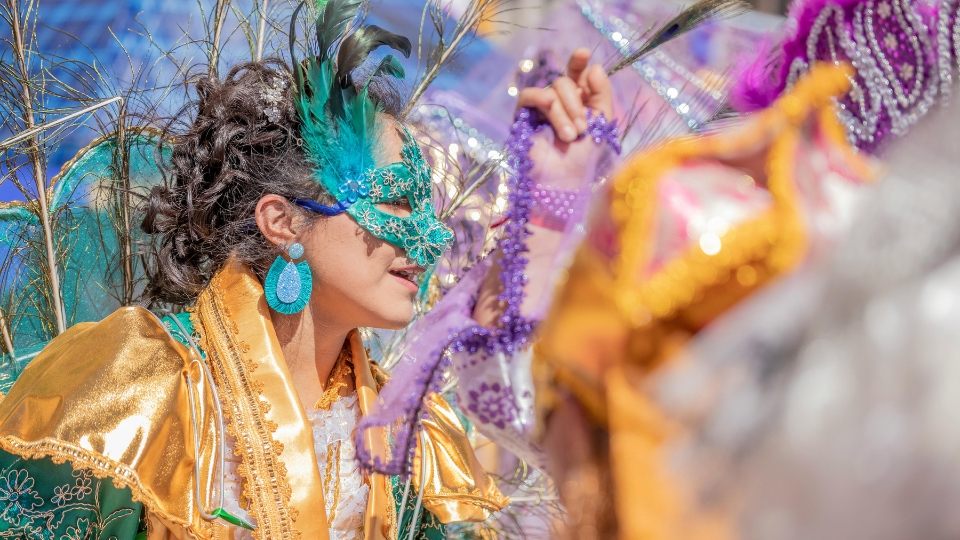
- Masks and disguises that blurred class distinctions.
- Street parades featuring satire, music, and theatrical performances.
- Temporary suspension of social hierarchies, allowing common people to mock authority.
Carnival was a time when the usual order of society was suspended, and people were permitted to mock authority and reverse social roles.
Rather than threatening social order, this controlled reversal helped reinforce it. By allowing excess and critique within a defined time frame, medieval societies found a way to release tension while preserving long-term stability.
- Strong percussive rhythms.
- Dance forms rooted in collective movement.
- Musical structures emphasizing call and response.
These practices laid the groundwork for samba, which would later become the defining sound of Brazilian Carnival. What began as marginalized cultural expression eventually shaped a national identity, especially in urban centers like Rio de Janeiro.
- Annual themes guiding music, costumes, and floats.
- Large ensembles of musicians and dancers.
- Judged competitions based on storytelling, rhythm, and visual coherence.
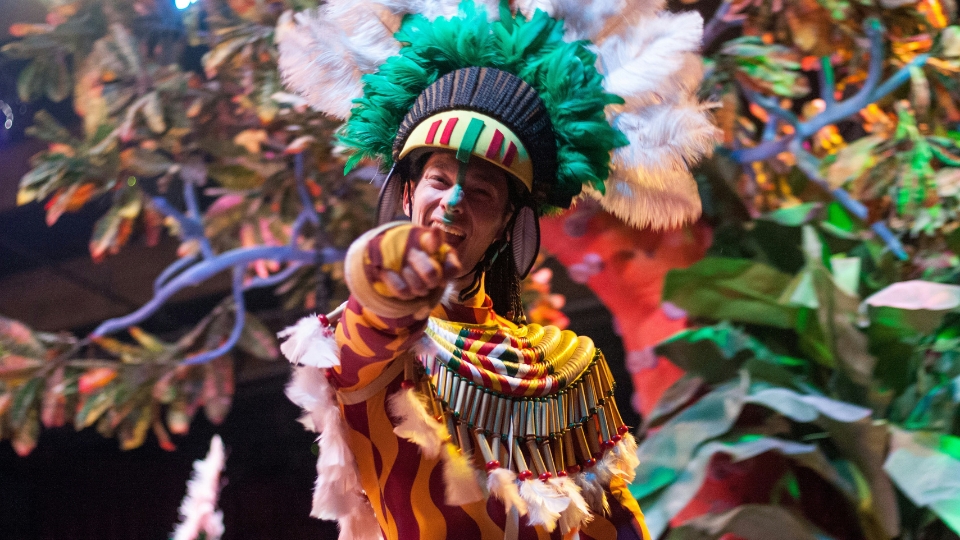
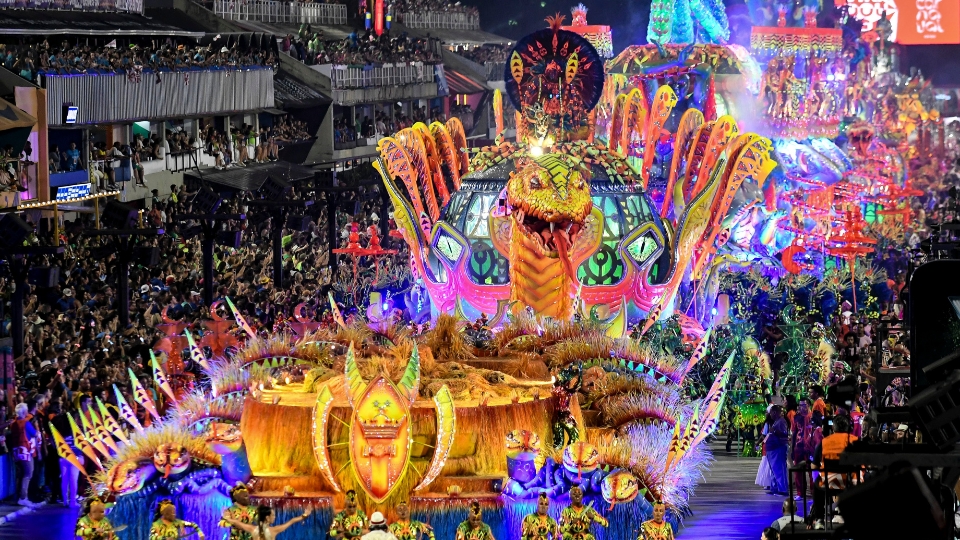
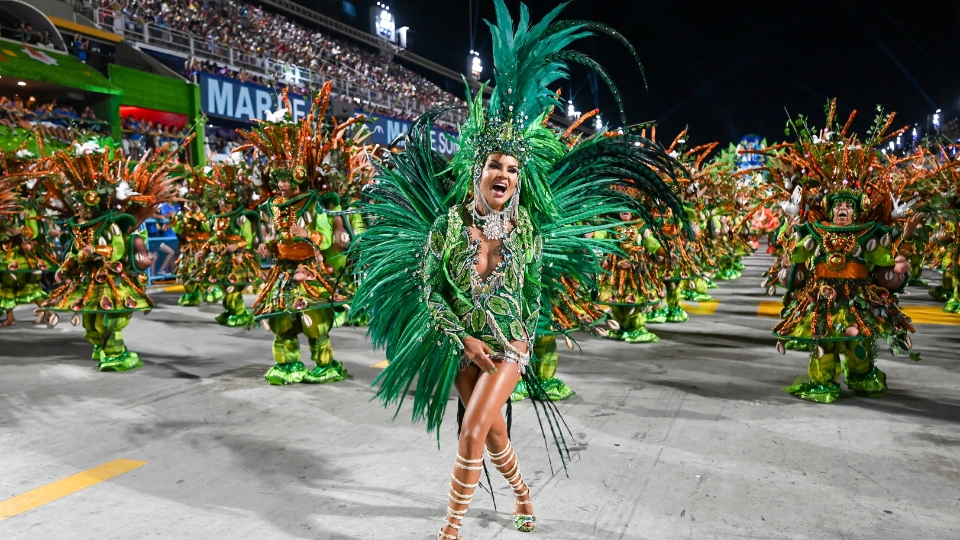
Samba schools transformed the celebration from informal street gatherings into a coordinated cultural performance without losing its communal spirit.
- It professionalized the samba school parades with fixed seating and infrastructure.
- It enabled global television broadcasts, expanding international visibility.
- It reinforced Carnival’s role as a national cultural institution.
Today, the Sambadrome stands as a symbol of how Carnival balances grassroots tradition with global recognition.
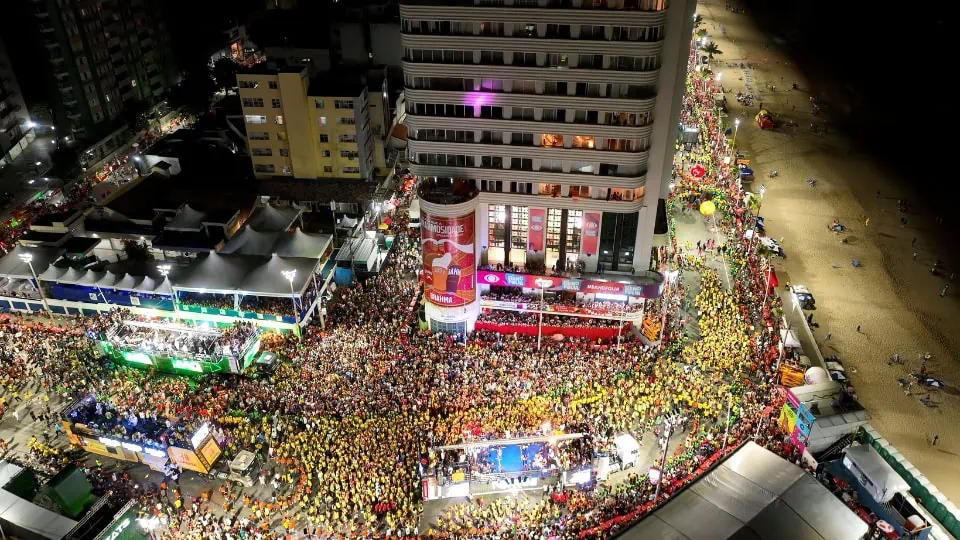
- Salvador emphasizes street-based celebrations led by music trucks.
- Recife and Olinda preserve frevo rhythms and giant puppets.
- São Paulo has developed a highly competitive samba school scene with its own Sambadrome.
Brazilian Carnival represents a powerful expression of cultural identity, combining music, dance, ritual, and collective memory.
This balance between tradition and reinvention explains why it remains one of the most influential cultural events in the world.