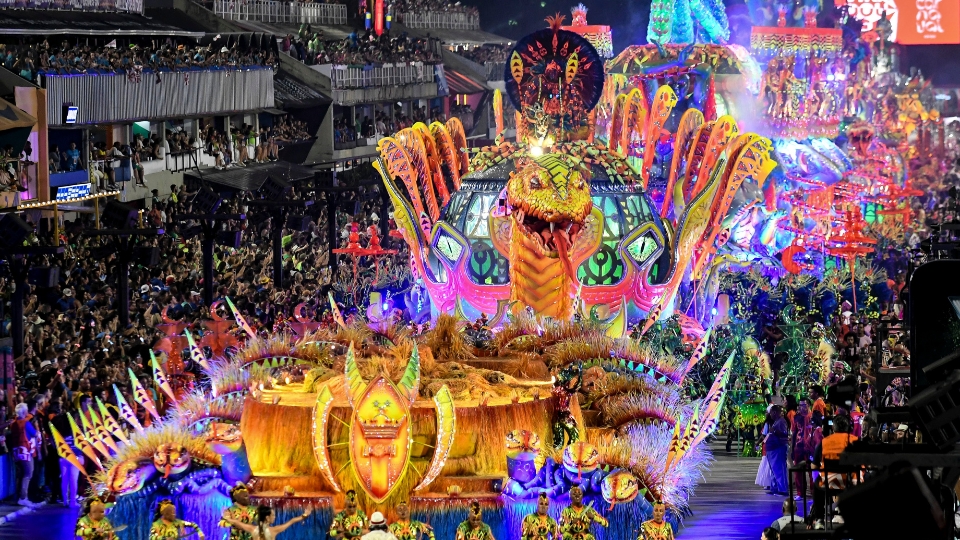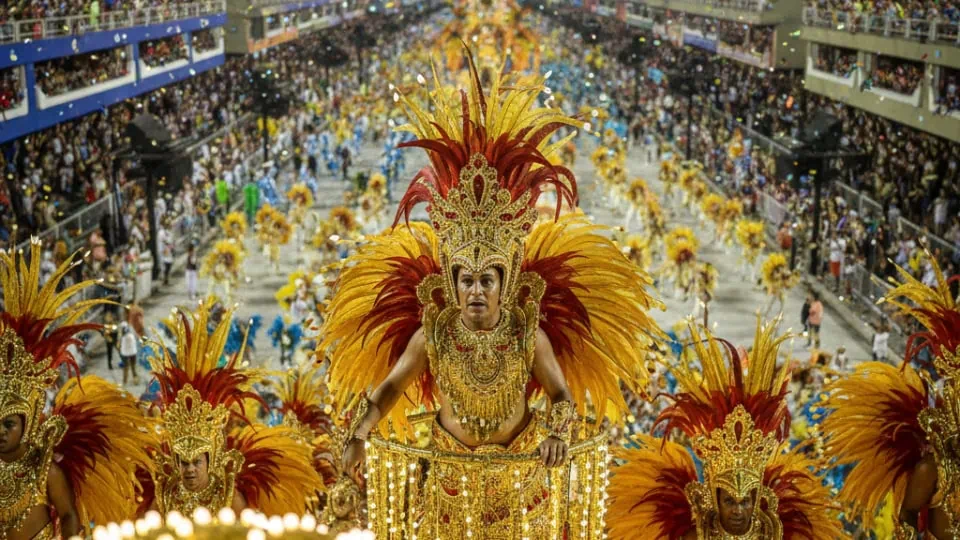
Carnival in Rio de Janeiro: Why Global Celebrities Keep Coming Back

In this article, you will learn how carnival in Rio de Janeiro became a global cultural magnet for international celebrities, which stars have already experienced it in person, and why Carnival today stands comfortably alongside the world’s most prestigious cultural events.

When global figures quietly adjust their schedules to be in one city at one specific time of year, it is rarely accidental. Rio Carnival has reached this status. Long before social media amplified every movement, Carnival was already attracting artists, actors, and fashion icons who understood its cultural weight

What makes Carnival remarkable is not celebrity attendance itself, but the fact that these figures arrive not as outsiders, but as attentive observers of a serious cultural event.

When Fame Meets Cultural Authority

Many celebrities first encounter Carnival through Brazilian music, fashion, or personal relationships rather than through tourism campaigns. This explains why their presence often feels organic.

When Madonna attended Carnival in Rio, her visits were framed less as appearances and more as cultural participation. She was seen observing parades closely, attending samba school environments, and engaging privately with Brazilian artists. Her interest aligned with a broader pattern in her career of seeking strong cultural narratives rather than superficial exposure.

A similar dynamic applies to Mick Jagger, whose long-standing connection to Brazil predates the era of viral celebrity travel. His Carnival presence reinforced the idea that Rio’s musical ecosystem speaks directly to artists who value rhythm, storytelling, and performance lineage.

These visits signal something important. Carnival does not need reinvention to attract global attention. Its authority already exists.

The Sambadrome Through Celebrity Eyes

For many international celebrities, the Sambadrome is the emotional center of Carnival. Yet the experience they seek is not proximity to crowds, but proximity to meaning.

When Will Smith attended Carnival, images showed him fully engaged with the performances rather than treating the event as a backdrop. His reactions mirrored those of first-time visitors who suddenly understand that each parade is judged, narrated, and choreographed with precision.

From carefully positioned VIP boxes, celebrities observe:

  • The narrative arc of each samba school
  • The symbolism behind costumes and floats
  • The tension of competition as scores are later revealed
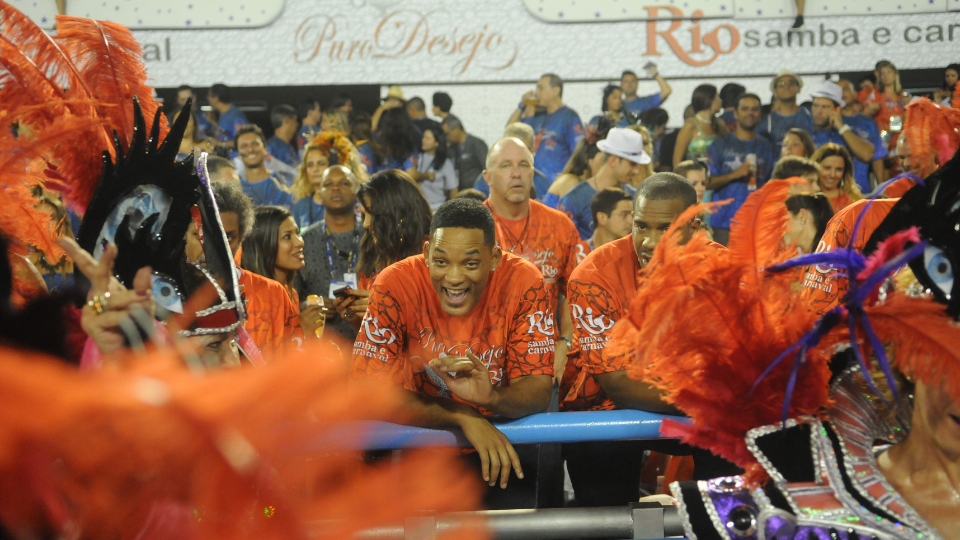
Will Smith watching Carnival from a VIP box at the Sambadrome in Rio de Janeiro, highlighting the presence of international celebrities

This perspective transforms the celebration into something closer to a live cultural production than a street festival.

For figures accustomed to Broadway, film premieres, or major award ceremonies, this level of artistic seriousness feels familiar.

Discretion as a Form of Luxury

Not all celebrity Carnival stories are public. In fact, many of the most telling examples are defined by their discretion.

Leonardo DiCaprio is often cited as a recurring visitor to Brazil during Carnival season, yet rarely appears in mainstream coverage. His approach reflects how many high-profile guests experience Carnival today. Through private invitations, controlled environments, and trusted local hosts, they engage deeply without public exposure.

This pattern reveals an important truth. It can be loud, but it can also be quiet. The premium experience lies in knowing where silence exists.

Private rehearsals, invitation-only gatherings, and cultural salons connected to samba schools often leave a stronger impression on celebrities than headline moments.

Celebrity Presence as Cultural Validation

About halfway into any serious analysis, one conclusion becomes unavoidable. Celebrities are not elevating Carnival. They are responding to it.

It’s credibility was built long before international recognition. Samba schools are multigenerational institutions with internal hierarchies, community roots, and artistic responsibility. Celebrities recognize this depth, which is why many return without fanfare.

This explains why figures like Paris Hilton or Kim Kardashian generate attention simply by attending. Their presence highlights Carnival’s global resonance rather than redefining it.

Fashion, Image, and Carnival’s Visual Power

Carnival’s visual language has long fascinated the fashion world. Its mastery of color, movement, and craftsmanship resonates with designers and models accustomed to haute couture.

When Naomi Campbell attended the event, her presence underscored how samba school costumes rival runway creations in complexity and symbolism. Many international fashion professionals note that the celebration achieves something rare: wearable art designed at monumental scale.

This visual sophistication helps explain why figures like Jennifer Lopez have incorporated Carnival into their Brazilian visits. The aesthetic conversation between music, dance, and fashion feels natural here, not staged.

Carnival’s imagery does not imitate global trends. It creates its own.

Jennifer Lopez attending Carnival from a VIP box at the Sambadrome in Rio de Janeiro, illustrating the event’s global celebrity appeal

Why Celebrities Keep Choosing Rio de Janeiro

Rio de Janeiro offers something increasingly rare for public figures. It allows presence without performance.

Beyond Carnival nights, celebrities value:

  • The ability to move between cultural intensity and coastal calm
  • A social code that respects boundaries without rigidity
  • A city accustomed to global attention without obsession

This balance helps explain why it is often described by international visitors as energizing rather than overwhelming.

Rio does not ask celebrities to perform. It invites them to observe.
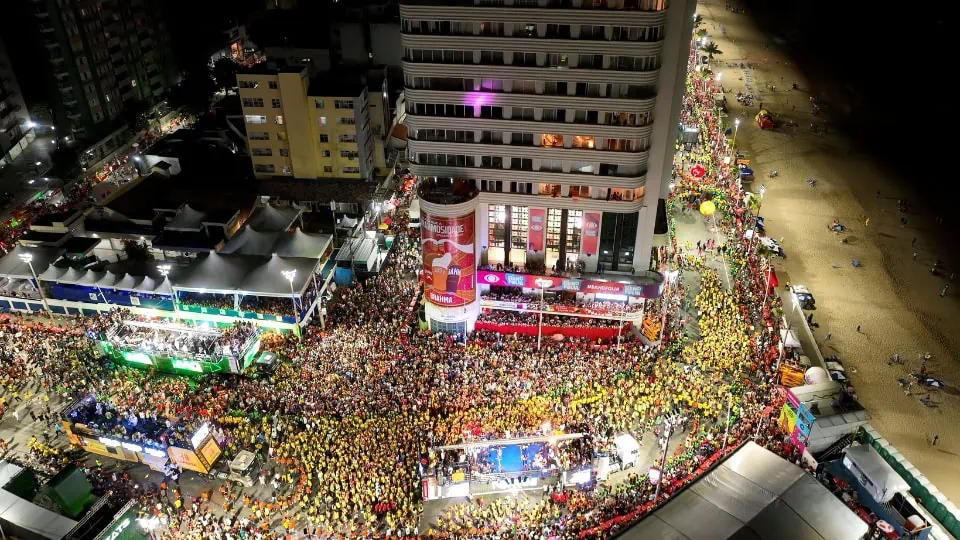
A Closing Reflection

International celebrities did not make Carnival important. They came because it already was. Their presence, repeated quietly over decades, simply reflects it’s position as one of the world’s most serious cultural celebrations.

For travelers seeking depth rather than spectacle, the celebration offers something rare. Authentic culture at a global scale, experienced on your own terms.

If you would like to continue receiving thoughtful perspectives on Brazil’s cultural landscape, you are invited to subscribe to our newsletter and stay connected to stories that go beyond the obvious.

Frequently Asked Questions

Scroll to Top