 Skip to content


This guide explains what makes Brazil such a compelling destination for high-end travelers, from its geography and culture to practical planning details, safety, seasons, and the role of cities like Rio de Janeiro and São Paulo. You will also learn how to structure an itinerary, what first-time visitors often misunderstand, and how to prepare for a smooth, rewarding trip.
Brazil is vast, layered, and full of contrasts. For travelers willing to understand a little more before boarding the plane, it becomes one of the most memorable destinations in the world.
- Brazil covers 8.5 million square kilometers.
- Portuguese is the official language, not Spanish.
- The currency is the Brazilian real (BRL).
- Seasons are reversed compared to Europe and North America.
- Domestic flights are essential for most multi-city itineraries.
Understanding these basics helps set expectations and prevents rushed, fragmented trips.
- Variety within one country: beach, rainforest, wetlands, cultural capitals, wine regions, and modern financial hubs.
- Human warmth: service tends to be personal and informal in tone, yet professional.
- Value relative to other luxury markets: high standards at comparatively moderate prices.
There is also an intangible factor. Brazil rarely feels manufactured for tourism. Experiences, whether dining in São Paulo or sailing in Rio de Janeiro, tend to unfold within real local life rather than behind curated façades.
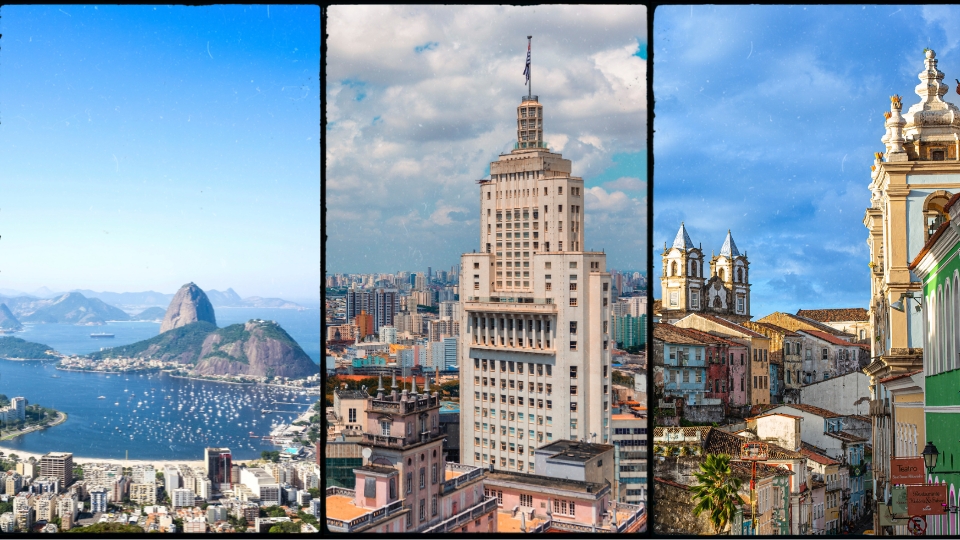
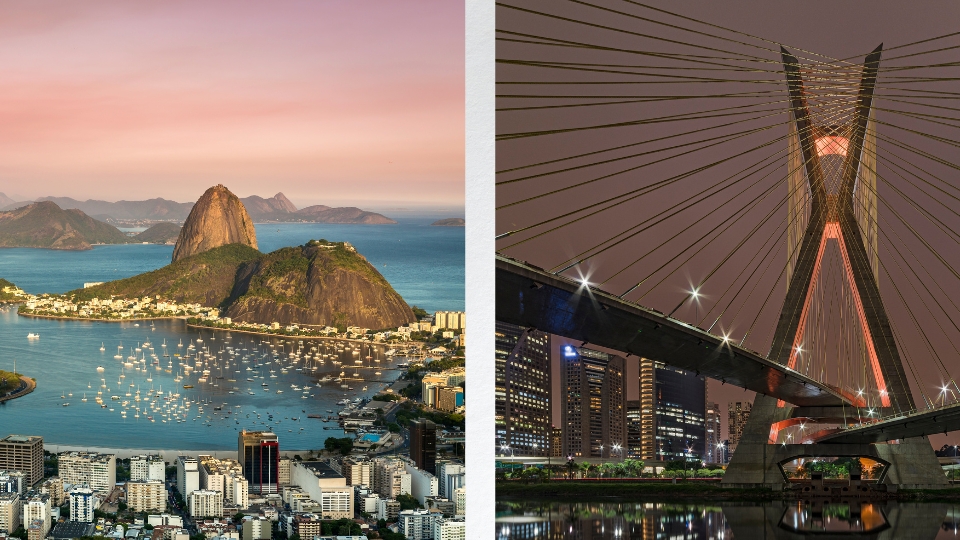
- Iconic scenery such as Sugarloaf Mountain and Christ the Redeemer.
- Beach culture in Copacabana, Ipanema, and Leblon.
- A strong concierge ecosystem for private tours, yachts, and helicopter flights.
- Cultural institutions like the Museum of Tomorrow and the Municipal Theatre.
Despite its fame, Rio is not only about landmarks. High-end visitors increasingly focus on experiences such as:
- Private sunrise hikes in Tijuca Forest.
- Chef-led market tours.
- Guided architecture walks through Santa Teresa.
- Yacht charters along Guanabara Bay.
The city rewards travelers who look beyond the obvious.
- Over 12 million residents in the city proper.
- More than 15,000 restaurants.
- Latin America’s largest concentration of art galleries and museums.
- A hotel scene that rivals major European capitals.
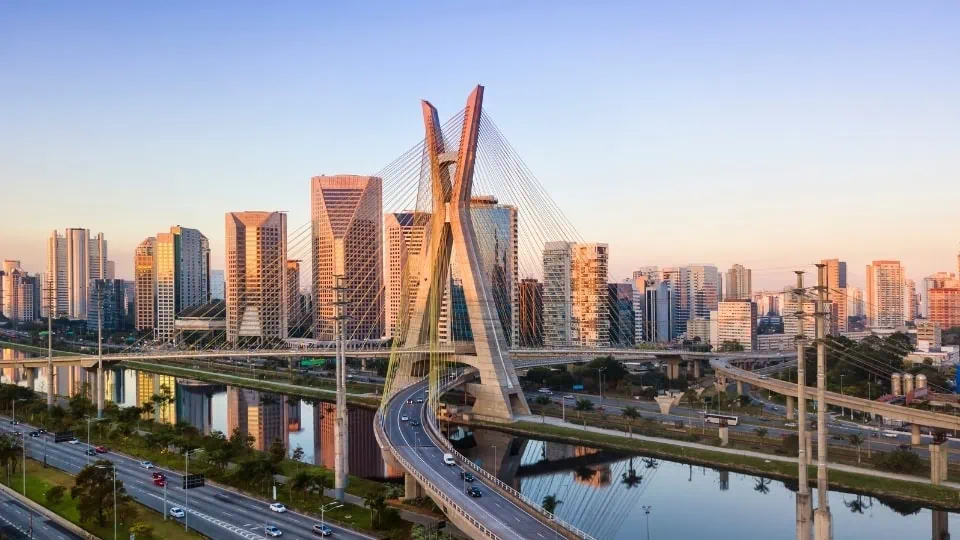
For sophisticated travelers, São Paulo is where Brazil’s culinary and contemporary art scenes are most visible. It is also the primary gateway for international flights, making it a natural starting or ending point for many itineraries.
- Summer: December to March
- Winter: June to August
This affects not only temperature but also pricing and crowd levels.
General guidance:
- December to February: hot, festive, high season in coastal areas.
- March to May: warm, fewer crowds, excellent for cities and beaches.
- June to August: mild temperatures, peak for cultural tourism and business travel.
- September to November: rising heat, good balance of availability and climate.
Major events also shape demand:
- New Year’s Eve in Rio
- Carnival (February or March)
- Formula 1 Grand Prix in São Paulo (November)
Booking well in advance for these periods is essential, especially for premium accommodations.
- Choose open-jaw tickets when visiting multiple regions.
- Allow buffer time between international and domestic connections.
- Use private transfers in major cities rather than taxis.
- Consider charter flights for remote destinations such as the Amazon or Pantanal.

- Staying in well-located hotels.
- Using vetted drivers and guides.
- Avoiding visible valuables in crowded areas.
- Relying on local expertise for planning.
Comfort levels in top hotels and restaurants match international standards. English is widely spoken in the luxury hospitality sector, though not universally elsewhere.
A few cultural notes:
- Brazilians are informal but polite.
- Punctuality is flexible socially but respected professionally.
- Direct communication is appreciated.
- Tipping is modest and often included.
These small details help interactions feel smoother and more natural.
- 3 nights in São Paulo
- 4 nights in Rio de Janeiro
- 3–4 nights in one additional region (Amazon, Bahia, or Iguazu Falls)
Shorter trips are possible but require focus. Longer stays allow for deeper exploration and less reliance on flights.