 Skip to content


In this guide, you will understand how boat rides in Rio de Janeiro work, which types of vessels best suit your travel style, the most rewarding routes along the coast, and what to expect from a private charter experience. We will also answer common questions from travelers, clarify logistics, and explain how to plan a seamless day or multi-day journey on the water.
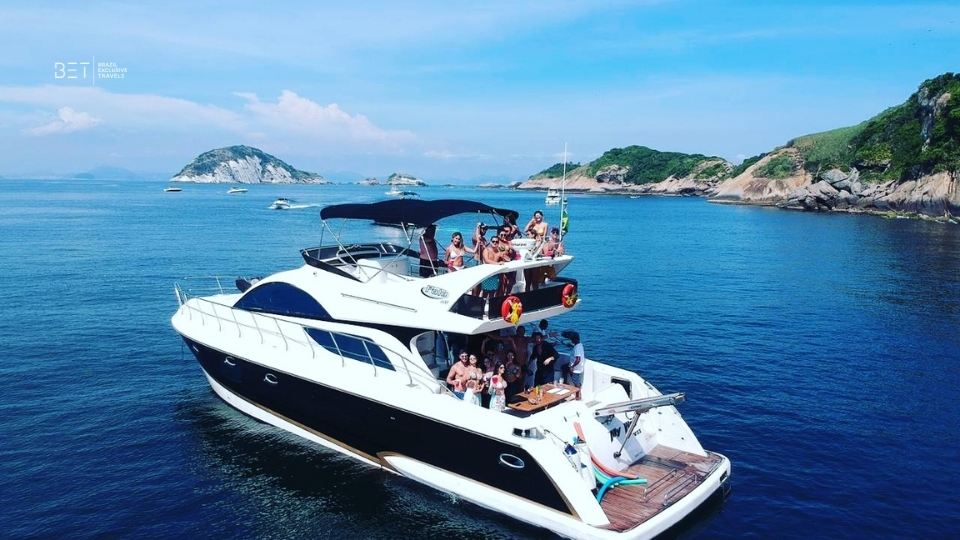
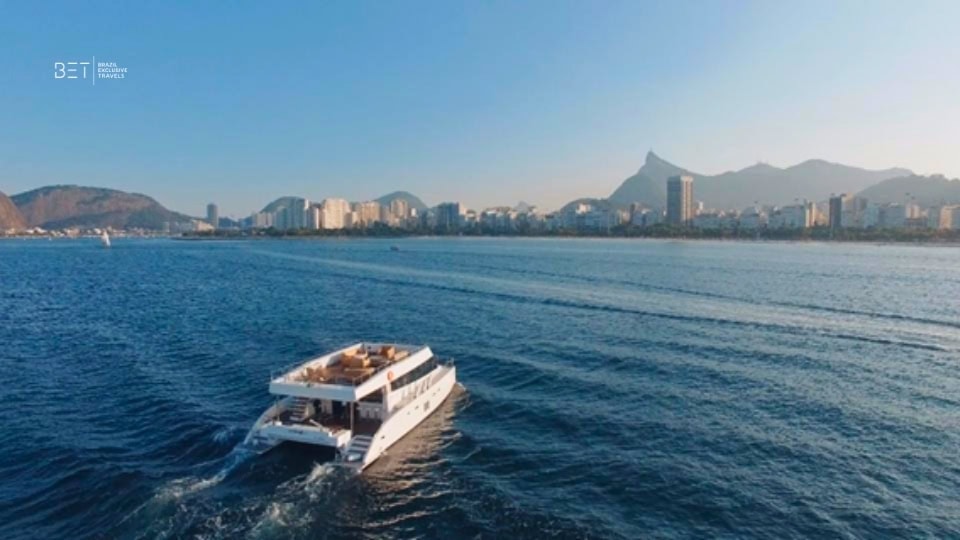
Few experiences reveal Rio’s geography as clearly as a day at sea. The city unfolds in layers – granite peaks, rainforest, colonial forts, and contemporary neighborhoods – all connected by an Atlantic horizon that changes color by the hour.
- A front-facing view of Sugarloaf Mountain without crowds
- Access to beaches unreachable by car
- A calm vantage point for photography
- A more private setting than most land-based attractions
A private charter allows you to move through this landscape at your own rhythm. Unlike scheduled sightseeing cruises, your captain adjusts the route according to sea conditions, time of day, and your preferences.
- Spacious sun decks and shaded lounge areas
- Multiple cabins and private bathrooms
- Professional crew, often including captain and deckhand
- Smooth cruising speed suitable for longer distances
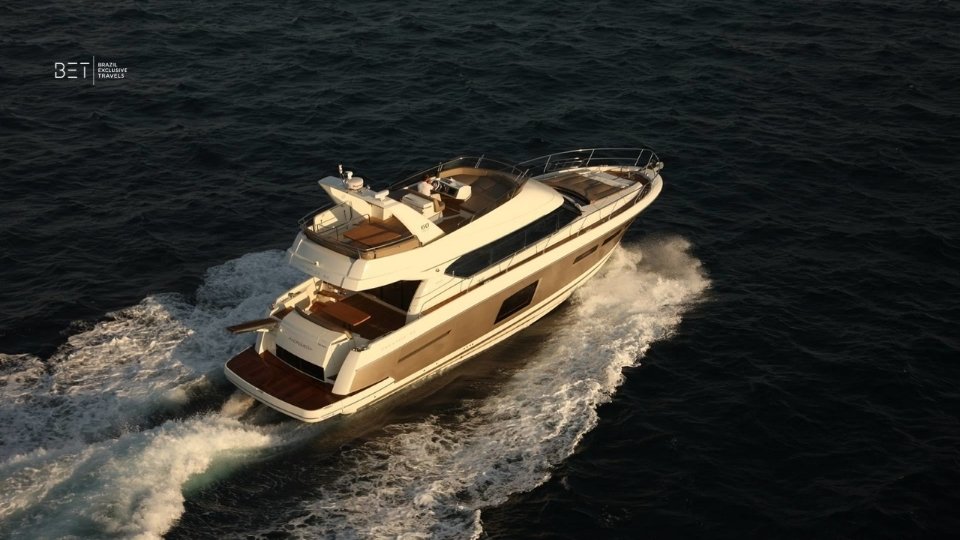
For high-end travelers accustomed to Mediterranean or Caribbean charters, yachts in Rio offer comparable onboard comfort with the added advantage of dramatic tropical scenery.
- A slower, more contemplative pace
- Reduced engine noise
- A close connection to wind and tide
- Ideal conditions for half-day experiences
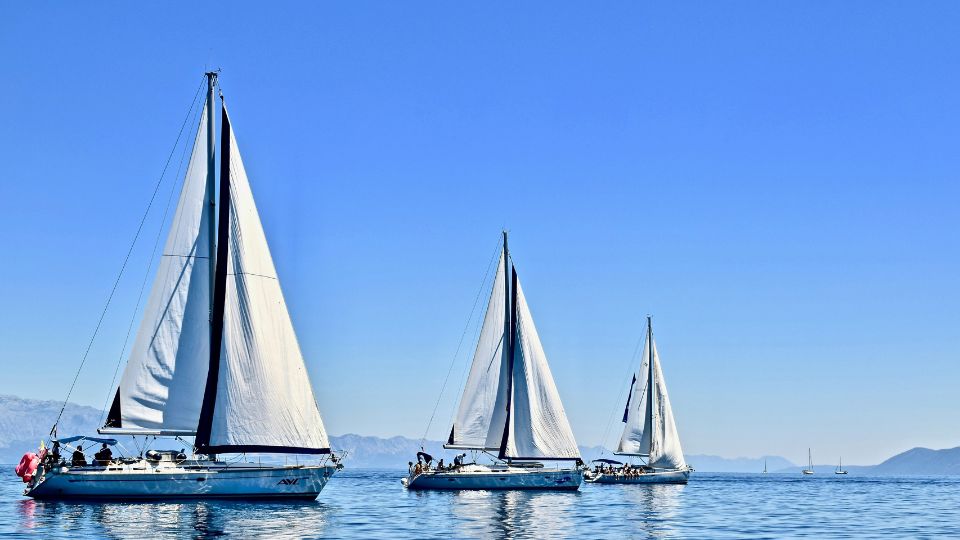
This option suits couples or small groups who value atmosphere over speed.
- Quick transfers between beaches and islands
- Agile maneuvering in narrow coves
- Ideal for 4 to 8 guests
- Perfect for combining swimming stops with sightseeing
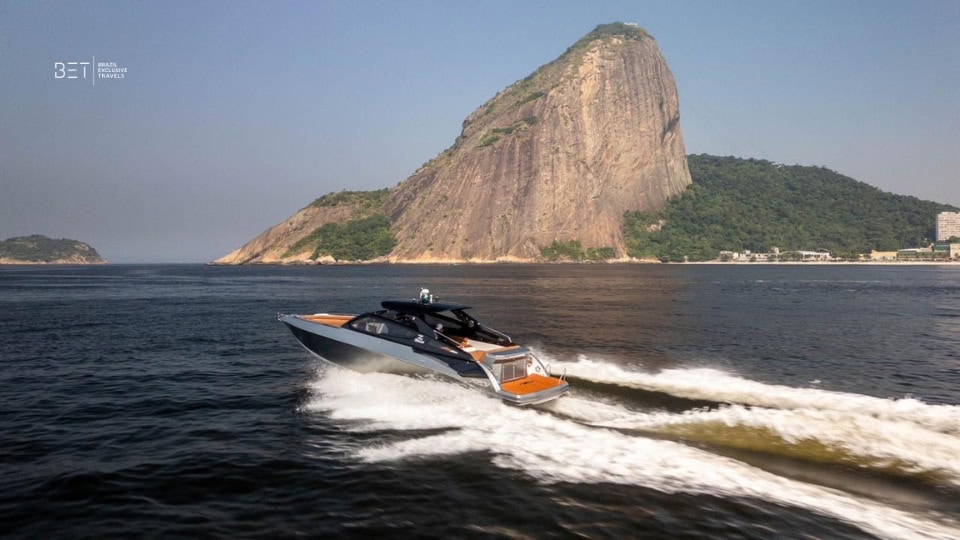
Speedboats are often chosen by travelers with limited time who still want a complete coastal overview.
- Families with children
- Corporate gatherings
- Groups who prefer generous deck space
- Relaxed anchorages with panoramic views
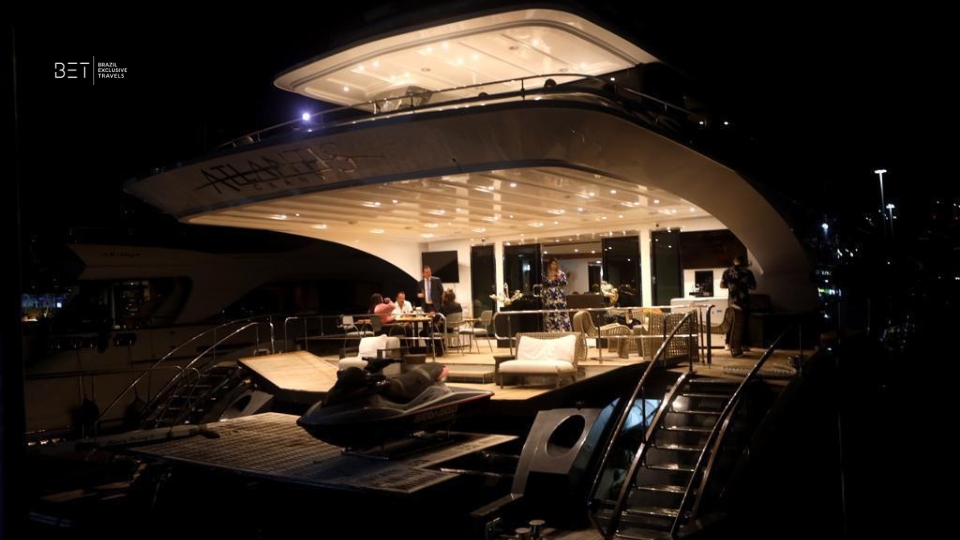
Choosing the right vessel is less about hierarchy and more about alignment with your travel style.
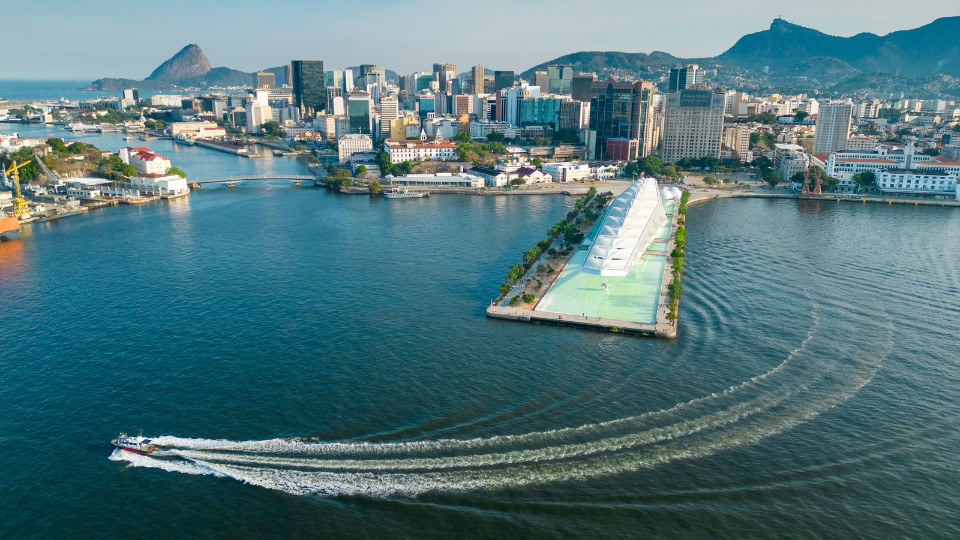
- Sugarloaf Mountain
- Fortresses dating back to the 16th and 17th centuries
- The Rio-Niteroi Bridge, stretching 13 kilometers
- The city skyline from an unobstructed angle
Guanabara Bay is typically calmer, making it ideal for morning or sunset cruises.
- Clearer, deeper blue water
- Excellent swimming conditions
- Seabirds and occasional dolphins
- A sense of distance from the urban skyline
This route feels more adventurous and is often combined with beach stops along São Conrado or Joatinga.
- Ilha Grande
- Secluded anchorages
- Historic colonial towns
- Snorkeling in protected bays
The contrast between Rio’s dramatic skyline and Angra’s island tranquility is striking.
- A professional captain familiar with local currents
- Crew support for docking and anchoring
- Bluetooth sound systems
- Freshwater showers for post-swim comfort
- Flexible timing for departure and return
Safety standards follow Brazilian maritime regulations, with life jackets and required navigation equipment onboard.
- December to March: warmer water, higher demand
- April to June: stable weather, fewer crowds
- July to September: mild temperatures, excellent visibility
- October to November: transitional season, good sailing winds
Morning departures often provide calmer seas. Late afternoon cruises offer softer light for photography.
For US and UK travelers, remember that Brazilian summer coincides with Northern Hemisphere winter. This makes Rio particularly attractive between December and February.
- Festive season and Carnival period: advance booking is strongly recommended due to high demand
- Peak summer weekends: reserving ahead increases your choice of vessel types
- Shoulder season and weekdays: excellent availability, including short notice requests
- Last minute requests: often possible, especially for speedboats and smaller yachts