 Skip to content


Few destinations place the ocean so naturally at the center of daily life as Rio de Janeiro. Here, beaches are not a separate attraction but part of the city’s rhythm, shaping social life, architecture, gastronomy, and even business meetings. For high-end travelers from the US and UK, understanding the character of each shoreline helps transform a simple day by the sea into something far more intentional and rewarding.
This article explores the most relevant beaches in Rio de Janeiro, including Copacabana, Ipanema, Leblon, Barra da Tijuca, Grumari, and Joatinga. Instead of listing names and distances, we will focus on what each place truly offers, when to go, and how to experience it comfortably and discreetly.
Beaches are to Rio what delis are to New York.
- South Zone (Copacabana, Ipanema, Leblon): Walkable neighborhoods, iconic views, traditional beach culture, strong hotel and dining infrastructure.
- West Zone (Barra da Tijuca): Wide beaches, newer developments, luxury condominiums, quieter weekdays, longer distances.
- Protected coastline (Grumari, Joatinga): Limited access, fewer services, preserved nature, higher privacy, best visited with local planning.
These differences influence everything from crowd levels to the type of restaurants you will find nearby. Choosing the right beach is often about choosing the right context for your trip.
- Direct access to classic hotels such as Copacabana Palace
- Constant presence of beach vendors, cafés, and live music
- Sunrise walks that attract locals and visitors alike
- Strong police visibility in peak areas
- Large-scale events like New Year’s Eve fireworks
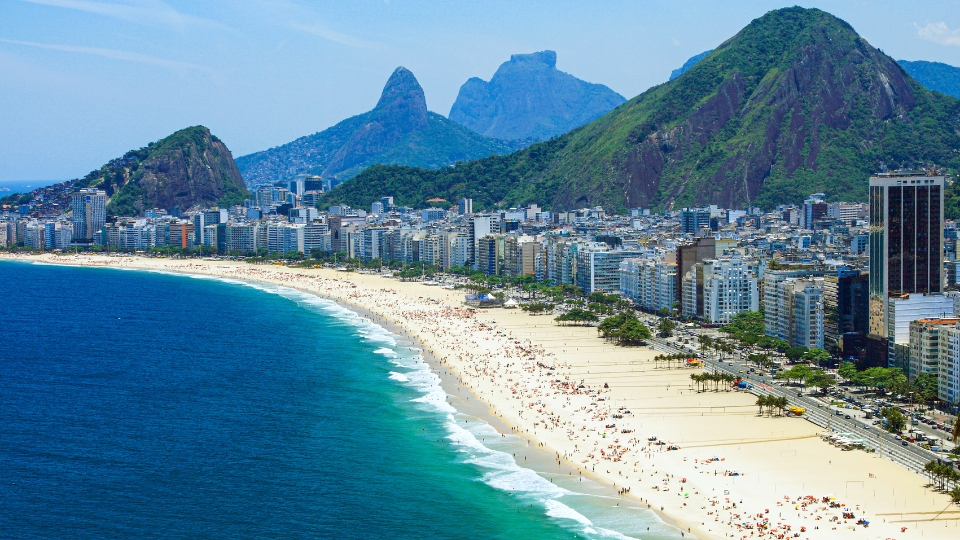
Copacabana is not about silence or isolation. It is about observing daily life at close range, from morning swims to sunset volleyball matches. Many guests enjoy staying here for convenience, then exploring quieter beaches during the day.
Transitioning east along the coast, the atmosphere gradually changes.
- Clean sand and consistent water quality
- Proximity to concept stores and independent boutiques
- Renowned sunset views from Arpoador rock
- Diverse micro-communities along the shoreline
- High-quality beach service from select kiosks
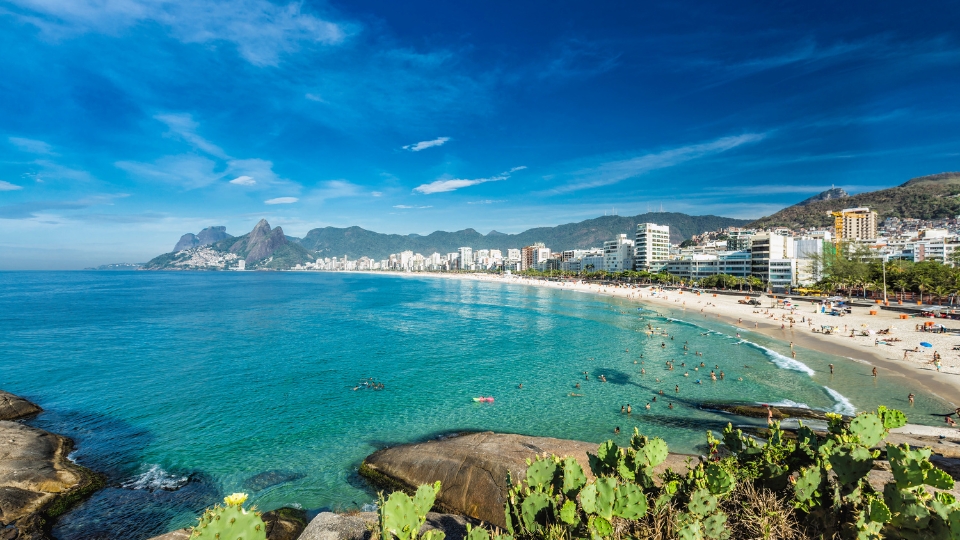
Ipanema offers a balanced experience. You can spend the morning swimming, walk to lunch at a Michelin-listed restaurant, and return for a quiet sunset without changing neighborhoods.
Just beyond Ipanema lies a more residential interpretation of luxury.
- Lower density of street vendors
- Family-oriented sections with attentive service
- Proximity to fine dining and gourmet markets
- Excellent safety perception by local standards
- Direct access to Dois Irmãos mountain views

Leblon is not designed to impress at first glance. Its charm reveals itself through routine: quiet breakfasts overlooking the sea, discreet service, and evenings that end early by Rio standards. For many long-stay visitors, it becomes a natural base.
After exploring the South Zone, some travelers seek a broader horizon.
- Spacious beaches with fewer crowds during weekdays
- Luxury apartment rentals and modern hotels
- Consistent waves suitable for surfing
- High-end shopping centers nearby
- Easier access to private beach clubs
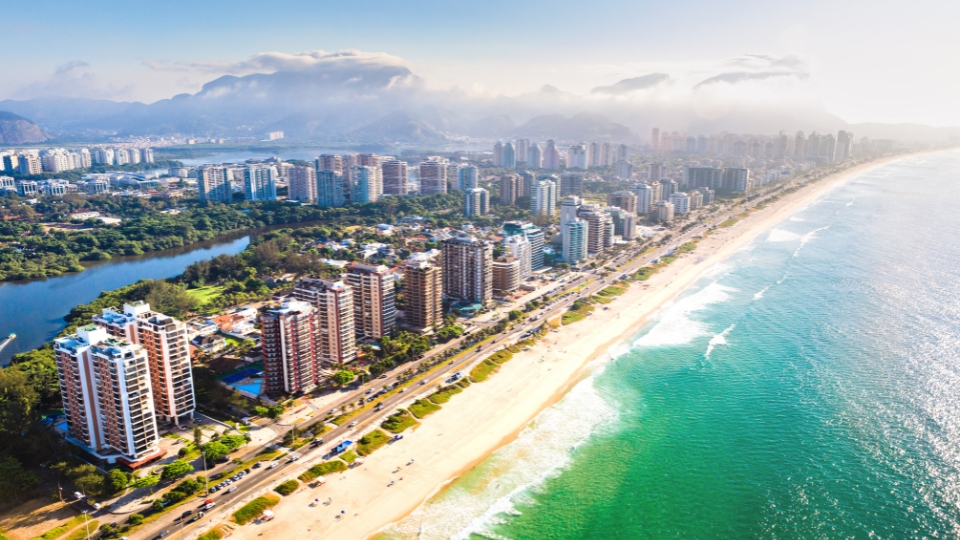
Barra requires planning. Distances are greater, and taxis or private drivers are essential. In return, visitors enjoy quiet mornings, large balconies, and the feeling of space rarely found in historic neighborhoods.
For some, even Barra is still too urban.
- No large hotels nearby
- Strict building restrictions
- Exceptional photographic landscapes

These beaches are best visited with local guidance, particularly for tide schedules and safety considerations. They reward preparation with silence, clean water, and a sense of distance from the city.
- December to March: Summer, high temperatures, frequent afternoon rain, busiest period
- April to June: Mild climate, lower humidity, fewer crowds
- July to September: Cooler evenings, good visibility, popular with surfers
- October to November: Transitional weather, warming ocean, moderate tourism
For comfort and service quality, many luxury travelers prefer April, May, September, and October. During these months, restaurants are more available, beaches less crowded, and logistics smoother.
- Avoid carrying valuables openly
- Use hotel safes for passports and jewelry
- Prefer credit cards over cash
- Sit near families or kiosks with staff
- Use private transportation after dark
Most incidents are opportunistic theft rather than violent crime. With basic precautions, visitors typically enjoy their time without issues.
| Beach | Crowd Level | Atmosphere | Best For |
|---|---|---|---|
| Copacabana | High | Energetic | First-time visitors, events |
| Ipanema | Medium | Stylish | Dining, shopping, sunsets |
| Leblon | Low-medium | Residential | Families, long stays |
| Barra da Tijuca | Low-medium | Modern, spacious | Surfing, privacy, long rentals |
| Grumari | Low | Natural | Photography, quiet escapes |
| Joatinga | Low | Exclusive | Seclusion, scenery |
This comparison helps travelers align expectations with reality before choosing accommodation or planning day trips.
- SPF 50 sunscreen
- Small waterproof pouch
- Lightweight towel or sarong
- Cash for kiosks
- Flip-flops or water shoes for rocky areas
Hotels can arrange beach kits with umbrellas and chairs upon request, particularly in Leblon and Barra.